Asunción, Paraguay
- 1,482,200 people
- 16 places to visit
- -25.2637, -57.5759
Places to Visit (16)
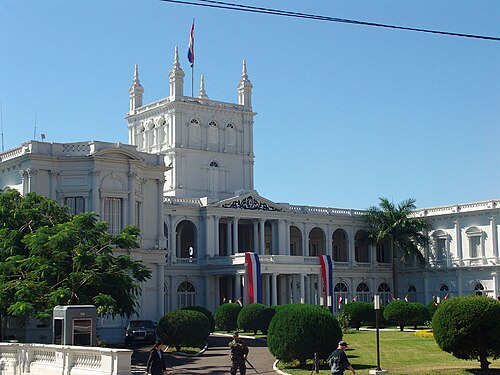
Asunción, the capital and largest city of Paraguay, serves as the political, cultural, and economic heart of the country. Nestled along the eastern bank of the Paraguay River, it is part of the Asunción Metropolitan Area, which includes neighboring cities like San Lorenzo and Luque. Founded in 1537 by Spanish explorer Juan de Salazar y Espinosa, Asunción has a rich history that reflects the influences of indigenous cultures, colonial heritage, and modern development. With a population of over 500,000 residents, it stands out not only as an administrative center but also as a vibrant hub for trade and commerce, significantly contributing to Paraguay's economy.
The city's landscape is characterized by a mix of historical architecture and contemporary structures, showcasing its diverse cultural heritage. Asunción's urban features include landmarks such as the National Pantheon of the Heroes, the Palacio de los López (Presidential Palace), and the Metropolitan Cathedral, all of which symbolize the nation’s pride and identity. The city is also known for its green spaces, such as Ñu Guasu Park and the Ñandú Park, which offer recreational areas amidst the bustling urban environment. The local economy is bolstered by industries such as manufacturing, services, and agriculture, while the city is also a key player in regional trade due to its strategic location in the heart of South America.
Culturally, Asunción is a melting pot of influences, evident in its cuisine, music, and festivals. The city celebrates a blend of indigenous and Spanish traditions, reflected in its dish options like sopa paraguaya and mbeju, as well as its vibrant music scene featuring polka and guarania genres. Important cultural events occur throughout the year, including the annual celebration of the "Fiesta de San Blas" and the "Asunción's Carnival," attracting both locals and tourists. Asunción's educational landscape is marked by several universities and institutions, fostering a spirit of learning and innovation. Overall, Asunción's unique historical significance, diverse culture, and dynamic economy position it as a key player in the region and an essential site for understanding Paraguay's past and future.
Facts about Asunción
- Asunción is the capital city of Paraguay and serves as the political, cultural, and economic center of the country.
- Founded in 1537 by Spanish explorer Juan de Salazar y Espinosa, Asunción is one of the oldest cities in South America.
- The city is known for its vibrant arts scene and hosts the 'Asunción Art Museum,' which showcases both local and international artists.
- Asunción is home to the historic 'Palacio de los López', which serves as the presidential palace and is an architectural landmark.
- The city features a large number of parks and green spaces, including 'Ñu Guasu Park', which is one of the largest urban parks in the country.
- Asunción has a significant population of over 500,000 residents, making it the most populous city in Paraguay.
- The city is located along the Paraguay River and is known for its unique waterfront, which has been developed for recreational use.
- Asunción hosts the 'Festivals of Asunción', a series of cultural events that celebrate the city's heritage and include music, dance, and food.
- The National University of Asunción, founded in 1889, is one of the most prestigious educational institutions in the country.
- Asunción is known for its diverse architecture, blending colonial structures with modern designs, representing the city's historical evolution.