Aswān, Egypt
- 379,774 people
- 8 places to visit
- 24.0889, 32.8998
Places to Visit (8)
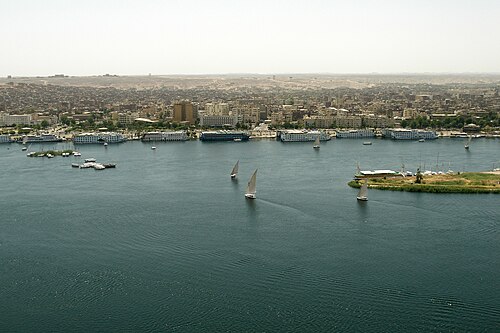
Aswān, a city located in southern Egypt, serves as the capital of the Aswān Governorate and is one of the oldest inhabited areas in the world. Situated on the eastern bank of the Nile River, Aswān is approximately 900 kilometers south of Cairo. The city has a population of around 350,000 inhabitants and is known for its stunning landscapes, rich history, and significance as a key point between Upper and Lower Egypt. Aswān has played an essential role in Egypt’s history, functioning as a strategic trade center due to its proximity to Africa and as a gateway to the Nubian region. The Nubian influence is still evident in the culture and architecture of the area, with a unique blend of Egyptian and Sudanese styles.
Historically, Aswān has been a vital location for quarrying granite used in many ancient Egyptian monuments, including the famous temples at Karnak and Luxor. The city is also home to notable archaeological sites, such as the Temple of Philae, dedicated to the goddess Isis, which was relocated to Agilkia Island after the construction of the Aswān High Dam in the 1960s. The High Dam, built across the Nile, created Lake Nasser, one of the largest artificial lakes in the world, significantly boosting agricultural and economic development in the region while also providing hydroelectric power. Furthermore, the dam's construction brought international attention, resulting in the UNESCO-led effort to protect ancient sites that were threatened by rising water levels.
Aswān is renowned for its natural beauty, characterized by sandy desert landscapes, lush vegetation along the Nile, and granite rock formations. Tourists are drawn to its vibrant local culture, markets, and the annual Aswān International Sculpture Symposium, which showcases contemporary art in a stunning natural setting. The city also serves as a base for excursions to explore the ancient temples of Abu Simbel, which were commissioned by Ramses II and are renowned for their impressive statuary and architectural grandeur. Aswān’s warm climate, rich history, and picturesque settings make it a unique destination for travelers interested in Egypt’s cultural heritage and natural beauty.
Facts about Aswān
- Aswān is known for its strategic location as a gateway to Nubia and southern Egypt, making it a historic center for trade and cultural exchange.
- The city is home to the Aswān High Dam, one of the largest embankment dams in the world, which was completed in the 1970s and has a significant impact on agriculture and electricity generation in Egypt.
- Aswān features the famous Unfinished Obelisk, which provides insight into ancient Egyptian stone quarrying techniques and the challenges faced by ancient builders.
- The city is noted for its stunning Nile views and is a popular starting point for cruises along the river, particularly to the temples of Abu Simbel.
- Aswān has a vibrant Nubian culture, with many Nubians residing in the area, renowned for their unique traditions, music, and colorful homes.
- The city contains the beautiful Philae Temple, dedicated to the goddess Isis, which was relocated to Agilkia Island due to the rising waters caused by the Aswān High Dam.
- Aswān's climate is characterized by extreme heat during summer, making it one of the hottest places in Egypt, while its winter climate attracts many tourists.
- Aswān served as a vital trade center in ancient times, connecting Egypt with sub-Saharan Africa through the Nile River.
- The city hosts the Aswān International Sculpture Symposium, attracting artists from around the world to create permanent sculptures that blend with the natural landscape.
- Aswān is known for its unique local market, where visitors can find a diverse range of spices, handicrafts, and textiles, reflective of the region's rich heritage.