Atyrau, Kazakhstan
- 290,700 people
- 7 places to visit
- 47.0945, 51.9238
Places to Visit (7)
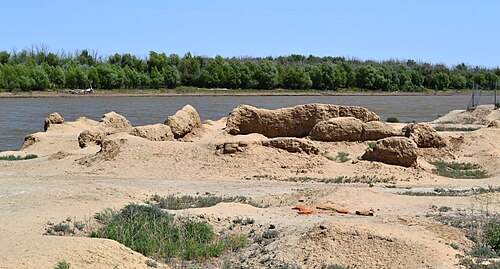
Atyrau is a significant city in Kazakhstan, strategically located at the confluence of the Ural River and the Caspian Sea, making it an important industrial and logistical hub. Founded in the late 19th century during the expansion of Russian interests in the region, Atyrau has since evolved into a vibrant center for oil and gas production, particularly due to the rich hydrocarbons found in the Caspian Basin. The city serves as a crucial point for pipelines and transportation networks that facilitate the export of oil and natural gas from Kazakhstan to global markets. The economic development has been bolstered by the presence of various multinational corporations engaged in energy exploration and production, thereby attracting a diverse workforce, including expatriates from around the world.
Culturally, Atyrau reflects a unique blend of Kazakh, Russian, and diverse ethnic influences. This melting pot is evident in the city’s architecture, cuisine, and traditions. The city is home to several educational institutions, contributing to its young and dynamic demographic profile. Atyrau also features several parks and recreational areas along the Ural River, enhancing the quality of life for its residents. Annual events, such as the Atyrau Oil and Gas Exhibition, highlight the city’s role in the energy sector, while various cultural festivals celebrate the region's heritage. Despite challenges such as environmental issues related to oil extraction and economic fluctuations, Atyrau continues to play a vital role in Kazakhstan’s economy and stands as a symbol of the nation’s development ambitions.
Facts about Atyrau
- Atyrau is uniquely positioned at the confluence of the Ural River and the Caspian Sea, making it a significant geographical point for both Kazakhstan and Russia.
- The city is known as the 'Gateway to the Caspian Sea' and serves as an important hub for the oil and gas industry, hosting many international companies.
- Atyrau is home to the only region in Kazakhstan where the Caspian Sea coast can be reached, providing unique access to maritime activities.
- One of the most notable landmarks in Atyrau is the 'Atyrau Bridge', which is notable for being a cable-stayed bridge over the Ural River, symbolizing the city's development.
- The population of Atyrau is culturally diverse, with significant Kazakh, Russian, and other ethnic communities coexisting, leading to a vibrant cultural scene.
- Atyrau hosts the Ural River Festival annually, celebrating the local culture and environment, which includes various sports and community activities.
- The city's history dates back to the 17th century when it was known as a key settlement for traders and fishermen, distinguishing it from newer towns in Kazakhstan.
- The Atyrau Region produces a large percentage of Kazakhstan's oil, making the city critical for the country's economy, unlike many inland cities.
- Atyrau has a unique climate, characterized by extreme temperature variations, hot summers, and cold winters, which influences the lifestyle and architecture of the city.
- The city features a blend of modern and traditional architecture, with new developments like shopping malls and business centers coexisting alongside historical buildings.