Augusta GA, United States
- 43,459 people
- 18 places to visit
- 33.4735, -82.0105
Places to Visit (18)
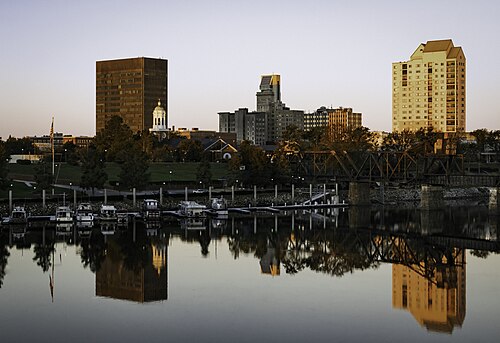
Augusta, Georgia, is a historic city located in the east-central part of the state, along the Savannah River. Founded in 1736 by settlers from the Colony of South Carolina, Augusta was named after Princess Augusta of Saxe-Gotha. As the second-oldest city in Georgia, it played a significant role in the American Revolution and the Civil War. Augusta served as a crucial supply center due to its strategic location, and following the war, it became an important trading post. Today, the city retains its rich history, showcased in numerous museums and historic sites, including the Augusta Museum of History, which highlights the region's development and notable events.
In addition to its historical significance, Augusta is known for its vibrant cultural scene and outdoor recreational opportunities. The city is particularly famous for hosting The Masters Tournament, one of the four major professional golf championships, which takes place each April at the prestigious Augusta National Golf Club. This annual event draws thousands of visitors from around the world, further establishing Augusta's reputation as a hub of sports and recreation. The city's cultural landscape is enriched by the Morris Museum of Art, which showcases Southern artists and the arts. Moreover, Augusta's location along the Savannah River offers various outdoor activities, including fishing, kayaking, and cycling, with several parks and trails available for residents and visitors alike.
Economically, Augusta has diversified its industries in recent years, focusing on healthcare, education, and technology. The city is home to several major medical facilities, including the Medical College of Georgia, which is the state's only public medical school. The growth of cybersecurity and technology sectors has also contributed to the local economy, driven partly by the presence of Fort Gordon, a U.S. Army installation that focuses on cyber operations and training. With an estimated population of around 200,000, Augusta offers a blend of small-town charm and urban amenities, making it an attractive place for both residents and tourists. The city's unique combination of history, culture, and economic opportunity continues to shape its character and influence its growth.
Facts about Augusta
- Augusta is home to the prestigious Masters Tournament, one of golf's four major championships, held annually at the Augusta National Golf Club since 1934.
- The city played a crucial role during the Civil War and was the site of an important Confederate Arsenal, which manufactured weapons and ammunition.
- Augusta is known as the 'Garden City' due to its many parks and gardens, including the beautiful Augusta Botanical Gardens.
- The Riverwalk Augusta, a scenic 1.5-mile park along the Savannah River, provides stunning views and recreational opportunities and is a central part of the city's cultural life.
- Augusta is the birthplace of James Brown, the legendary 'Godfather of Soul,' and the city honors his legacy with the James Brown Arena and annual events celebrating his music.
- The city has a rich history of music and is part of the 'Soul City' movement, which recognizes its contribution to the American music landscape.
- Augusta is home to the second-largest urban historic district in Georgia, with over 1,000 historic buildings reflecting various architectural styles, including Federal, Victorian, and Classical.
- The city transitioned from a prominent cotton trading hub in the 19th century to a significant healthcare and medical research center, housing the Medical College of Georgia, founded in 1828.
- Augusta is known for hosting the annual Arts in the Heart festival, which showcases local artists, musicians, and diverse cuisines from around the world, reflecting the city's rich cultural heritage.
- Augusta has unique historical ties to the cotton industry and was famously home to the 'Augusta Cotton Exchange,' helping to shape economic trends in the region during the 19th century.