Aurich, Germany
- 40,319 people
- 12 places to visit
- 53.4725, 7.4833
Places to Visit (12)
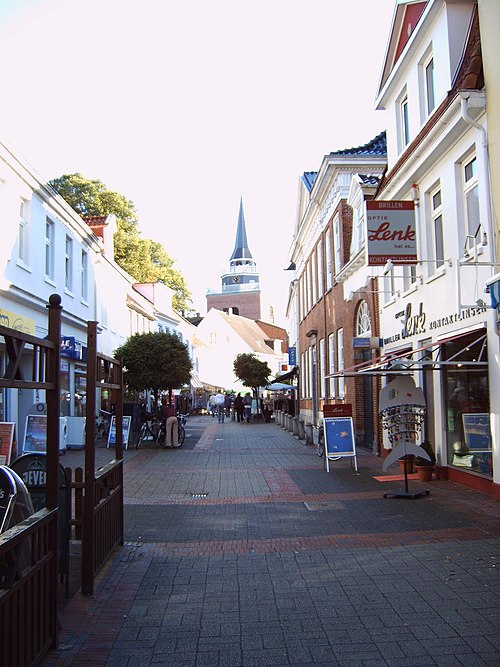
Aurich is a charming city located in the East Frisia region of Lower Saxony, Germany. It serves as the administrative center of the Aurich district and has a rich history dating back to its first documented mention in 787 AD. The city is known for its picturesque landscapes, which feature traditional East Frisian architecture, historic buildings, and quaint canals. Aurich experienced significant development during the 17th century when it became a center for trade and commerce, specifically in agriculture and handicrafts. The city is also known for its historic sites, including the 18th-century Aurich Castle, which stands as a testament to the city's noble heritage.
Today, Aurich combines its historical charm with modern amenities, making it an appealing destination for both residents and tourists. With a population of approximately 40,000, Aurich has a diverse community that enjoys a high quality of life, supported by excellent educational facilities, healthcare services, and recreational opportunities. The city's cultural scene is vibrant, featuring various events throughout the year, such as local festivals and markets that celebrate its rich traditions. Additionally, Aurich is well-connected to larger cities such as Emden and Oldenburg, facilitating easy access to urban amenities while retaining the tranquility of a smaller town. Overall, Aurich embodies a harmonious blend of history, culture, and modern living, contributing to its unique character within the scenic countryside of East Frisia.
Facts about Aurich
- Aurich is the capital of the district of Aurich in Lower Saxony, known for its unique East Frisian culture and traditions.
- The city is home to the historic Aurich Castle, which dates back to the 14th century and has served various purposes throughout its history.
- Aurich features a distinctive East Frisian tea culture, boasting numerous tea houses that promote the region's famous black tea and traditional cakes.
- The city hosts the Aurich Market, a vibrant weekly market that showcases local products, crafts, and the region's agricultural output.
- Aurich is known for its charming canals and waterways, which reflect its maritime heritage as a former trading hub in the region.
- The city's architecture includes unique Brick Gothic structures, distinguishing it from many other towns in Germany that feature different architectural styles.
- Aurich has a growing arts scene, highlighted by the Aurich Art Festival, which attracts artists and performers from across Germany.
- The city is surrounded by beautiful natural landscapes, including the East Frisian Wadden Sea, a UNESCO World Heritage site, making it a hub for eco-tourism.
- Aurich is historically significant as a site of early wind energy development and continues to be at the forefront of renewable energy initiatives.
- The annual Aurich Carnival is a vibrant local celebration that features parades, costumes, and traditional music, distinguishing it from carnivals in other German regions.