Aurillac, France
- 34,724 people
- 10 places to visit
- 44.931, 2.445
Places to Visit (10)
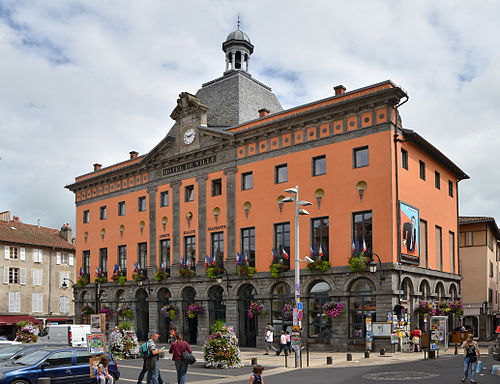
Aurillac is a picturesque commune located in the Cantal department in the Auvergne-Rhône-Alpes region of south-central France. Nestled on the banks of the Jordanne River and surrounded by the stunning volcanic landscapes of the Massif Central, Aurillac serves as the capital of Cantal and is renowned for its rich history and vibrant culture. The city's origins date back to the Roman period, and its historical significance is reflected in its architecture, including the impressive Saint-Géraud Church and the well-preserved medieval buildings that adorn its streets. The blend of Gothic, Renaissance, and classic styles gives Aurillac a unique charm that attracts tourists and history enthusiasts alike.
Aurillac is also known for its dynamic economy, with agriculture, particularly dairy farming, playing a vital role. The region produces renowned cheeses, such as Cantal and Salers, which are integral to local cuisine. The city hosts several festivals throughout the year, including the International Theatre Festival, which draws performers and audiences from around the world, enhancing its cultural landscape. With parks, gardens, and a mild climate, Aurillac offers opportunities for outdoor activities, making it appealing for nature lovers. Additionally, the surrounding region is ideal for hiking, skiing, and exploring the neighboring natural parks, further solidifying Aurillac's status as both a cultural hub and a gateway to the beautiful French countryside.
Facts about Aurillac
- Aurillac is the capital of the Cantal department in the Auvergne region and is situated at an elevation of approximately 600 meters, making it one of the highest cities in France.
- The city is known for its unique regional climate, characterized by cold winters and mild summers, influenced by its mountainous terrain.
- Aurillac hosts an annual international street theater festival called 'Festival d'Aurillac,' which attracts performers and spectators from around the world, making it one of the biggest street arts festivals in France.
- The city is home to the picturesque Château Saint-Étienne, a 15th-century fortress offering panoramic views of Aurillac and the surrounding landscapes.
- Aurillac is renowned for its production of high-quality hats, particularly 'chapeaux d'Aurillac,' a tradition that dates back several centuries.
- The city is closely associated with the famous medieval scholar and bishop, Saint Géraud, who founded the Abbey of Saint Géraud in the 9th century, an important spiritual center.
- Aurillac boasts several significant architectural landmarks, including the Notre-Dame-aux-Neiges cathedral, which features a blend of Gothic and Romanesque styles.
- The local cuisine is highlighted by the specialty dish 'truffade,' a hearty dish made primarily from potatoes and Cantal cheese, showcasing the region's culinary heritage.
- Aurillac is surrounded by natural beauty and outdoor recreational opportunities, such as hiking and skiing, located near the Volcanic Region of Auvergne.
- The city has a strong educational presence, housing several institutions, including the Université d'Auvergne and various technical colleges, contributing to its vibrant student population.