Aveiro, Portugal
- 54,162 people
- 15 places to visit
- 40.6405, -8.6538
Places to Visit (15)
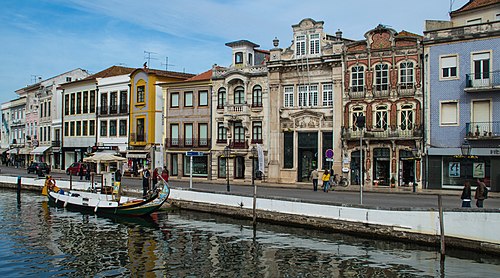
Aveiro, often referred to as the "Venice of Portugal," is a picturesque city located on the west coast of the Iberian Peninsula, in the central region of the country. Known for its charming canals, colorful moliceiro boats, and vibrant Art Nouveau architecture, Aveiro is a unique blend of tradition and modernity. The city is surrounded by a lagoon, the Ria de Aveiro, which has historically been a significant source of income for the local community through fishing and salt production. This lagoon is crucial for biodiversity and is home to various bird species, making it an important ecological area.
The city's history dates back to the Roman Empire, and it flourished during the Middle Ages as a thriving trade port. Today, visitors can explore the remnants of its rich past through landmarks such as the Cathedral of Aveiro, the São Jacinto Lighthouse, and the stunning 15th-century Convento de Jesus, which houses an impressive collection of religious art. Aveiro's cultural scene is lively, with festivals celebrating music, food, and local traditions, including the famous "Feira de São Gonçalinho," which showcases the region's culinary specialties, particularly its renowned ovos moles — a sweet treat made of egg yolks and sugar.
Modern Aveiro is also a hub of education and innovation, hosting the University of Aveiro, which attracts students from across the globe. The city's economy has diversified beyond agriculture and fishing, incorporating technology and research industries. Moreover, Aveiro's strategic location near major highways and railways facilitates easy access to other prominent Portuguese cities, including Porto and Lisbon, enhancing its appeal as a tourist destination and residential area. The combination of its scenic beauty, cultural richness, and economic vitality makes Aveiro a standout city in Portugal's landscape.
Facts about Aveiro
- Aveiro is often referred to as the 'Venice of Portugal' due to its picturesque canals navigated by colorful 'bôlhas' (traditional boats).
- The city is famous for its unique Art Nouveau architecture, featuring stunning buildings that reflect the artistic movement of the early 20th century.
- Aveiro is home to the iconic São Jacinto Dunes Natural Reserve, which protects a unique sand dune ecosystem and a variety of wildlife.
- The region is known for producing 'ovos moles', a traditional sweet made from egg yolks and sugar, often served in wafer shells.
- Aveiro has a significant historical connection to the salt industry, with traditional salt flats known as 'salinas' still in operation today.
- The Ria de Aveiro, a lagoon system along the coastline, is a UNESCO Biosphere Reserve, supporting diverse ecosystems and bird species.
- The city hosts the annual Aveiro Festas, which includes vibrant parades, music, and cultural events that showcase local traditions.
- Aveiro's University, one of the most prestigious in Portugal, is known for its research and innovation, particularly in the fields of engineering and technology.
- The Museu de Aveiro is housed in a former convent and showcases the region's rich history and artistic heritage, including works of the famous Portuguese painter, José Malhoa.
- Aveiro features the Aveiro Lighthouse, an important navigational landmark known as the 'Lighthouse of Barra', which is the tallest in Portugal.