Avellino, Italy
- 48,104 people
- 16 places to visit
- 40.9168, 14.7899
Places to Visit (16)
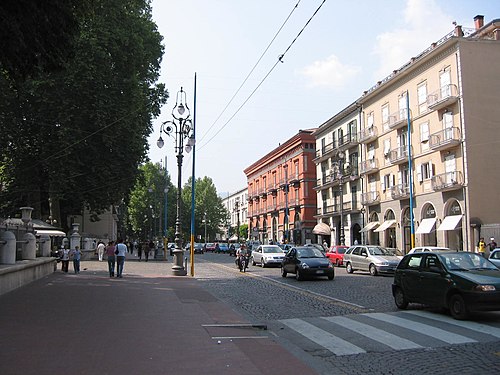
Avellino is a city in Campania, southern Italy, situated approximately 50 kilometers (31 miles) east of Naples. It serves as the capital of the Province of Avellino and is nestled in the mountainous region of the Irpinia area. The city’s population is around 54,000 residents, making it a relatively small urban center characterized by its rich history, picturesque landscapes, and vibrant culture. Avellino is positioned along the banks of the Sabato River and is surrounded by the Apennine Mountains, which contribute to its scenic beauty and offer numerous opportunities for outdoor activities.
Historically, Avellino has roots dating back to ancient times. It was originally settled by the Samnites, an Italic tribe, and later became part of the Roman Empire. The city has a variety of historical landmarks, including the impressive Cathedral of Avellino, dedicated to Saint Modestino and built in the 18th century, which showcases beautiful Baroque architecture. Other notable sites include the Fortunato De Angelis Library, a repository of local history and culture, and the Church of Santa Maria Assunta, known for its splendid frescoes. Avellino’s historical significance is complemented by its role as an important commercial and administrative center in the region.
Economically, Avellino benefits from its agricultural surroundings, well-known for the production of wines, olive oil, and other local products, contributing to the region's gastronomic fame. The city hosts various festivals celebrating local cuisine, such as the Fiera di Avellino, attracting both residents and tourists. The combination of its historical heritage, cultural vibrancy, and natural beauty makes Avellino a unique destination for visitors seeking to explore the charm of southern Italy. Additionally, its proximity to larger cities like Naples and Benevento enhances its accessibility, making it an appealing place for both locals and travelers.
Facts about Avellino
- Avellino is known for its rich history dating back to the Roman period, with significant archaeological sites like the ancient Roman theater.
- The city is located in the Campania region and is renowned for its production of high-quality white wines, particularly Greco di Tufo.
- Avellino is the birthplace of notable Italian figures such as the medieval philosopher and theologian, St. Thomas Aquinas, who spent part of his early life in the region.
- The historic center of Avellino features the beautiful Cathedral of Avellino, which showcases a mix of architectural styles, including Baroque and Romanesque.
- Avellino is surrounded by beautiful natural landscapes, including the Picentini Mountains, making it a popular destination for outdoor activities like hiking and nature walks.
- The city was significantly affected by the earthquake of 1980, leading to substantial reconstruction efforts and a focus on modern urban development.
- Avellino hosts the annual 'Festa di San Modestino,' which celebrates the city's patron saint with vibrant processions, cultural events, and traditional food.
- The local economy is also supported by agriculture, particularly the cultivation of chestnuts and olives, contributing to the region's culinary heritage.
- Avellino has a thriving art scene, with various galleries and museums, showcasing works from local artists and hosting cultural events throughout the year.
- The city serves as an important transportation hub, connecting various regions of southern Italy, which distinguishes it from many other smaller towns.