Avezzano, Italy
- 37,808 people
- 10 places to visit
- 42.0278, 13.4248
Places to Visit (10)
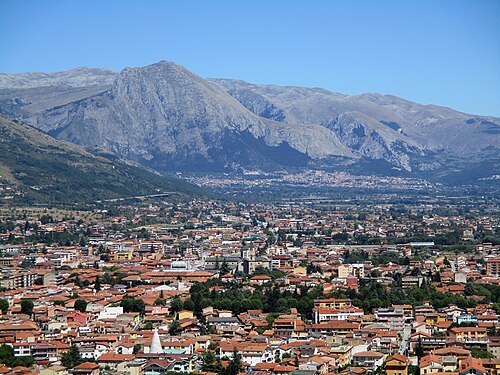
Avezzano is a picturesque town located in the Abruzzo region of Italy, specifically in the province of L'Aquila. Nestled in the fertile Fucino Valley and surrounded by the stunning landscapes of the Apennine Mountains, Avezzano serves as an important agricultural and commercial center. Historically significant, the area has roots that trace back to ancient times, with traces of Roman occupation evident in archaeological findings. The town itself was officially established in the Middle Ages, but it experienced considerable development in the 19th century, particularly after the draining of the Fucino Lake, which transformed the area into one of Italy's most productive agricultural regions.
The town is characterized by its rich cultural heritage and vibrant community life. Avezzano boasts several notable landmarks, including the Cathedral of Avezzano, dedicated to Saint Bartholomew, and a charming medieval castle, which offers panoramic views of the surrounding area. The town also serves as a base for outdoor activities, with numerous hiking and skiing opportunities nearby, attracting both locals and tourists seeking adventure in the breathtaking natural surroundings. Festivals and events, such as the annual "Sagra della Pasta e Legumi," celebrate local cuisine, further enhancing the town's cultural identity and drawing visitors eager to experience its traditional flavors. With its blend of history, culture, and scenic beauty, Avezzano offers a unique glimpse into the heart of Italian life.
Facts about Avezzano
- Avezzano is known for its picturesque setting at the foot of the Apennine Mountains, making it a gateway to nature and outdoor activities.
- The city was significantly rebuilt after a devastating earthquake in 1915, which resulted in the destruction of much of the town, leading to a unique blend of architecture.
- Avezzano's local economy is heavily rooted in agriculture, particularly known for its production of high-quality saffron, which is one of the most expensive spices in the world.
- Home to the historic Castello Orsini, Avezzano features impressive medieval architecture, which reflects the city's rich history dating back to the Middle Ages.
- The city hosts the Festival of the Saffron in October, celebrating the harvest and the cultural significance of the spice to the region.
- Avezzano is the administrative center of the province of L'Aquila, playing a crucial role in the governance and development of the Abruzzo region.
- The city is well-known for the 'Sponda del Liri', a particular stretch along the Liri River, which is recognized for its stunning natural beauty and recreational activities.
- Avezzano has a unique climatic condition that contributes to its agricultural output, with a mix of Mediterranean and continental influences, which is rare for central Italy.
- In the late 20th century, Avezzano became a hub for modern industries and technology, distinguishing itself from many traditional towns in Italy.
- The city is connected to Rome by a direct railway line, making it a strategic location for commuters and enhancing its role as a residential area for those working in the capital.