Avilés, Spain
- 78,715 people
- 13 places to visit
- 43.558, -5.9247
Places to Visit (13)
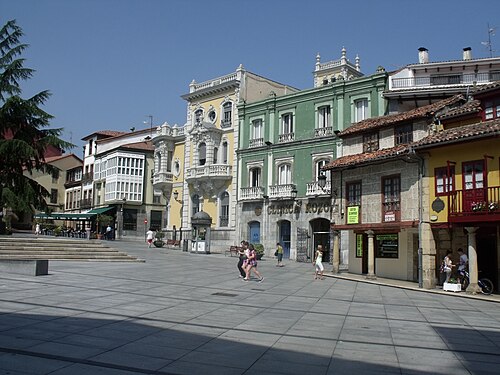
Avilés is a small city located in the northern region of Spain, specifically within the autonomous community of Asturias. Situated at the mouth of the Avilés Estuary, it is approximately 20 kilometers from the regional capital, Oviedo, and close to the Bay of Biscay. The city boasts a rich historical heritage, with its origins tracing back to the Roman era. However, it flourished during the Middle Ages, becoming a crucial port for trade and commerce in the region. Avilés has a blend of architecture reflecting its diverse history, from medieval structures like the Church of San Nicolás de Bari to elegant examples of modernist design, including the renowned Centro Niemeyer—a cultural and architectural landmark designed by Brazilian architect Oscar Niemeyer, inaugurated in 2011.
The local economy of Avilés has historically relied on shipbuilding and heavy industry, but in recent decades, it has diversified significantly. While the steel industry remains a vital part of its economic landscape, the city has also shifted toward service industries and tourism. This transition has helped rejuvenate its urban spaces and make them more attractive to both locals and visitors. The city is characterized by its vibrant cultural scene, with numerous festivals, art exhibitions, and music events taking place throughout the year. Additionally, Avilés is known for its picturesque old town, featuring narrow cobbled streets, colorful buildings, and a variety of gastronomic offerings that showcase Asturian cuisine, including the famous "cachopo" and locally produced cider.
Avilés is also recognized for its commitment to sustainability and environmental initiatives, reflecting broader trends in contemporary urban planning. The city has invested in green spaces and public transportation to enhance the quality of life for its residents. Moreover, its strategic location along the northern coast of Spain makes it an excellent starting point for exploring the natural beauty of Asturias, including its rugged coastline, lush green hills, and nearby Picos de Europa National Park. With its rich history, cultural vibrancy, and ongoing development, Avilés presents a unique and appealing destination within the diverse landscape of Spain.
Facts about Avilés
- Avilés is home to the unique Centro Niemeyer, a cultural center designed by the renowned Brazilian architect Oscar Niemeyer, which is one of the few structures by this famous architect in Spain.
- The city has a rich industrial heritage, being a significant port and steel manufacturing center during the 20th century, which distinguishes it from many other Spanish towns that do not share this industrial background.
- Avilés features a well-preserved old town with a mix of medieval and modern architecture, including the historic Plaza de España and the Gothic-style Church of San Nicolás de Bari.
- The city hosts the annual Avilés 10K, a popular running event that attracts athletes from different countries, promoting health and sports tourism in the region.
- Avilés is recognized for its vibrant gastronomy, particularly its diverse seafood dishes, given its coastal location, making it a culinary hotspot in Asturias.
- In 2020, Avilés was awarded the title of 'European City of Sport' in recognition of its commitment to promoting sports and physical activity among its citizens.
- The city is strategically located near the UNESCO World Heritage Sites of the nearby archaeological site of Las Médulas and the historic city of Oviedo, making it an appealing destination for cultural tourists.
- Avilés has a significant history of shipbuilding, with the Asturian shipyard Juegos de Avilés being a critical contributor to the Spanish maritime industry in its heyday.
- The city hosts numerous festivals throughout the year, including the Avilés Medieval Market, celebrating medieval culture with period costumes, traditional crafts, and local cuisine.
- Avilés is noted for its environmental initiatives, particularly the extensive network of parks and green spaces that promote sustainability and quality of life for its residents.