Awaji, Japan
- 42,597 people
- 4 places to visit
- 34.4777, 134.9307
Places to Visit (4)
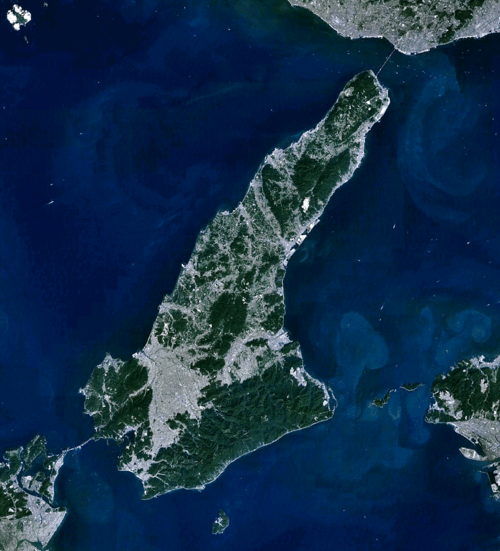
Awaji is a city located on Awaji Island in Hyōgo Prefecture, Japan. Situated in the Seto Inland Sea, the island is famous for its scenic landscapes, historical significance, and cultural heritage. Awaji is the largest island in the Seto Inland Sea and serves as a vital connection between the islands of Shikoku and Honshu, with the iconic Akashi Kaikyō Bridge linking it to the mainland. The city was established in 2005 through the merger of several smaller municipalities, reflecting a growing trend towards consolidation in response to Japan’s declining population and urbanization.
Awaji Island is known for its natural beauty, including lush mountains, coastal areas, and hot springs. The city boasts several tourist attractions, including the Awaji Yumebutai, a cultural and horticultural complex designed by renowned architect Tadao Ando. Another prominent site is the Awaji Island National Park, which offers a range of outdoor activities and stunning views of the surrounding waters. The island is also famous for its agricultural products, particularly onions, which are a significant part of local cuisine. Traditional crafts such as the production of Awaji dolls further enhance the cultural landscape of the region.
In addition to its rich history and natural resources, Awaji is recognized for its efforts in disaster preparedness and community resilience, particularly after the Great Hanshin Earthquake in 1995, which significantly impacted the region. The island has embraced the development of renewable energy initiatives and sustainable practices to prepare for future natural disasters. Awaji continues to thrive as a blend of modernity and tradition, attracting visitors with its unique charm and cultural offerings while ensuring the wellbeing of its residents in an ever-changing world.
Facts about Awaji
- Awaji is home to the first shrine dedicated to the Japanese deity of agriculture, the Awaji Shrine, which dates back over 1,400 years.
- The island is famous for its production of Akashi tomatoes, known for their sweet flavor and high sugar content, making them unique in Japan.
- Awaji is strategically located between the main islands of Honshu and Shikoku, featuring the iconic Akashi Kaikyō Bridge, the longest suspension bridge in the world.
- The island has a rich history in the textile industry, especially in producing Awaji’s famous traditional textiles, known as 'Awaji Ori'.
- Awaji hosts the annual 'Awaji Island Fireworks Festival', renowned for its large-scale displays and scenic beachside setting, attracting thousands of visitors.
- The Awaji Yumebutai complex, designed by the renowned architect Tadao Ando, features landscapes and facilities dedicated to environmental conservation and cultural events.
- Awaji is known for its hot springs, particularly the 'Sumoto Onsen', which has been a popular relaxation spot since the Edo period.
- The island is famous for its local cuisine, especially the 'Awaji beef', recognized for its rich marbling and flavor, often rivaling the more famous Kobe beef.
- Awaji is also reputed for its large-scale infrastructure projects, such as the Awaji World's Wonder Ring, a theme park featuring unique attractions.
- Awaji Island has historical ties to the 'Tale of the Heike', one of Japan's most famous epics, which narrates the struggle between the Taira and Minamoto clans.