Awasa, Ethiopia
- 422,200 people
- 4 places to visit
- 7.0477, 38.4958
Places to Visit (4)
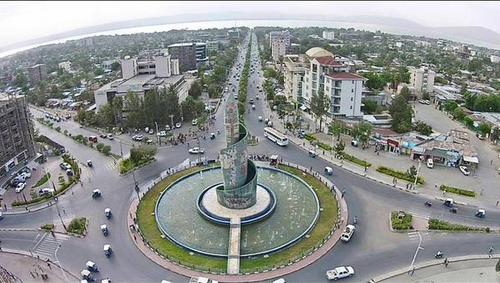
Awasa, also spelled Hawassa, is a vibrant city located in the Southern Nations, Nationalities, and Peoples' Region of Ethiopia. It sits on the shores of Lake Awasa, one of the major Rift Valley lakes, and serves as the capital of the Sidama Region. The city is around 275 kilometers south of Addis Ababa, the country’s capital, and has emerged as a key hub for trade and tourism in Southern Ethiopia. With a population exceeding 300,000, Awasa is known for its diverse cultural composition, showcasing various ethnic groups, including the Sidama, Wolayta, and Amhara people.
Awasa boasts a favorable climate characterized by a temperate climate with both wet and dry seasons, making it an attractive destination for both domestic and international visitors. The city is renowned for its beautiful landscapes, including the scenic lake, and provides opportunities for recreational activities such as boat rides and bird watching, particularly in the nearby fish market known for its vibrant atmosphere. The city is also notable for its burgeoning hospitality sector, with various hotels, restaurants, and entertainment venues serving both local and international cuisine, reflecting the rich culinary traditions of Ethiopia. Additionally, Awasa hosts significant educational institutions, including universities that contribute to higher education in the region. As an economic center, it is also known for its agricultural productivity, including coffee and various fruits, which are essential for both local consumption and export.
Awasa is increasingly becoming recognized for its investment potential and is home to several industrial parks aimed at boosting local manufacturing and employment. The city's strategic location along the main transportation routes enhances its connectivity, facilitating trade and commerce. Festivals and cultural events in Awasa, such as the Sidama Cultural Festival, celebrate the rich heritage of the Sidama people and draw visitors from across the country and beyond. With ongoing developments in infrastructure and an emphasis on tourism and industry, Awasa is positioned to play an important role in the economic landscape of Ethiopia in the years to come.
Facts about Awasa
- Awasa is located on the shores of Lake Awasa, which is known for its diverse bird species and stunning views, making it a popular destination for birdwatching and nature tourism.
- The city is famous for its fish market, where fresh catches from Lake Awasa are sold daily, contributing to the local economy and culinary culture.
- Awasa is recognized as a cultural melting pot, home to various ethnic groups including the Sidama people, who are known for their vibrant traditions and festivals.
- The annual Sidama Coffee Festival is celebrated in Awasa, highlighting the region's rich coffee heritage and attracting visitors from across the country and beyond.
- Awasa is a key economic hub for the Southern Nations, Nationalities, and Peoples' Region (SNNPR) of Ethiopia, with growing industries in agriculture, trade, and tourism.
- The city has a notable university, Hawassa University, which offers various programs and contributes significantly to the regional education system and research initiatives.
- Awasa features a beautiful lakeside promenade that is popular for recreational activities such as walking, jogging, and social gatherings, enhancing the city's community vibe.
- Awasa is known for its unique blend of modernity and tradition, with expanding urban amenities alongside traditional markets and cultural practices.
- The city has hosted several national and international events, making it a growing center for conferences, exhibitions, and cultural events in Ethiopia.
- Awasa's climate is more temperate compared to many other Ethiopian cities, providing an appealing atmosphere for residents and visitors alike.