Ayabe, Japan
- 31,082 people
- 14 places to visit
- 35.2988, 135.2584
Places to Visit (14)
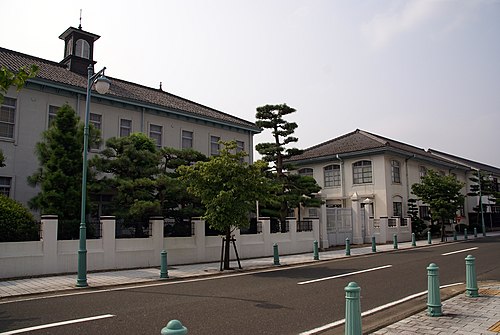
Ayabe is a city located in the northern part of Kyoto Prefecture, Japan. Nestled in the picturesque landscape of the surrounding mountains, Ayabe is known for its rich cultural heritage and natural beauty. Established as a city in 1950, it has evolved from a historic area noted for its connection to silk production and agriculture. The region's history can be traced back to ancient times, with archaeological findings indicating human settlement since the Jomon period. Ayabe gained prominence during the Edo period due to its strategic location along major trade routes, transforming it into a bustling market town.
Today, Ayabe is characterized by its blend of traditional and modern elements. The city is home to a variety of cultural sites, including historic temples and shrines, which reflect the area's long-standing religious practices. One of the notable landmarks is the Ayabe Jinja, a Shinto shrine that hosts various festivals throughout the year. The local economy has diversified, maintaining its agricultural roots while also embracing tourism and small-scale industries. Visitors often enjoy exploring the lush countryside, where rice paddies and tea plantations are prevalent. The city's commitment to sustainability is evident in its promotion of local produce and eco-friendly practices.
In addition to its natural attractions, Ayabe is recognized for its vibrant community and educational institutions. The city is home to several schools and universities, fostering a sense of learning and innovation among its residents. Cultural exchanges also play a significant role in Ayabe's identity, with various events celebrating both local traditions and international connections. The annual Ayabe Matsuri, for instance, showcases traditional music, dance, and crafts, drawing participants from across the region. As a city that balances its historical roots with contemporary aspirations, Ayabe remains a quaint yet thriving locale within Japan, appealing to residents and visitors alike through its rich culture and stunning scenery.
Facts about Ayabe
- Ayabe is known for its rich history in silk production, particularly during the Edo period, making it a significant center for sericulture in Japan.
- The Ayabe City Museum showcases the city's history, including exhibits on traditional silk weaving and local archaeological findings.
- Ayabe is home to the only remaining traditional 'Yudofu' (tofu hot pot) shop in the region, maintaining century-old recipes that attract culinary enthusiasts.
- The city hosts an annual Ayabe Cultural Festival, which celebrates local traditions, food, and crafts, drawing visitors from across the country.
- Ayabe is famous for its unique 'Ayabe Miso,' a traditional miso paste that is a staple in local cuisine, emphasizing the city's commitment to traditional food production.
- The town features historical sites such as the Ayabe Shrine, which dates back to the 7th century and is dedicated to ancestral worship and local deities.
- Ayabe is noted for its beautiful natural scenery, including the picturesque Ayabe River and nearby mountains, making it a destination for outdoor activities such as hiking and fishing.
- The city is part of the Takashima Kogen region, known for producing high-quality sake thanks to its pure water sources and traditional brewing techniques.
- Ayabe holds a unique position in Japanese literature, being referenced in several historical texts due to its influential role in local trade and culture.
- The city actively promotes sustainable agriculture, with numerous local farms practicing organic methods and contributing to the growing trend of eco-tourism in the area.