Ayacucho, Peru
- 140,033 people
- 13 places to visit
- -13.1639, -74.2236
Places to Visit (13)
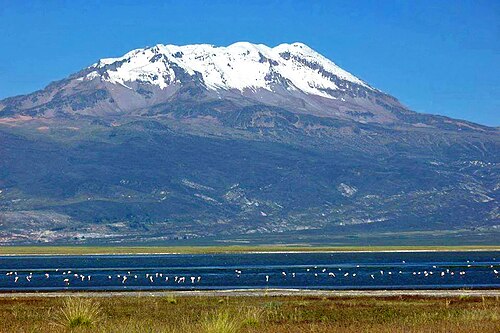
Ayacucho is a picturesque city located in the Andean region of Peru, situated at an altitude of approximately 2,700 meters (8,860 feet) above sea level. It serves as the capital of the Ayacucho Region and is renowned for its rich cultural heritage and historical significance. Founded in 1541, Ayacucho has played a crucial role in Peru's history, particularly as a central site during the country's fight for independence from Spanish colonial rule. The city is famously known for the Battle of Ayacucho in 1824, which was a decisive conflict that ultimately led to the liberation of Peru and other South American nations from Spanish control.
Ayacucho is often referred to as the "City of Churches" due to its numerous colonial-era churches, with around 33 churches built during the Spanish colonial period. The city's architectural beauty is complemented by its vibrant arts and crafts scene, particularly in the production of traditional textiles, ceramics, and retablos, which are intricately painted wooden boxes that depict religious scenes or folkloric stories. The local cuisine is another highlight, featuring delicious dishes such as pachamanca, a traditional Andean meal that involves cooking meat and vegetables in an underground oven, and various types of local cheeses.
The city is a gateway to various archaeological sites, including the nearby Huari ruins and the pre-Incan site of Quinua, which exhibits the region's historical significance long before Spanish arrival. Moreover, Ayacucho is celebrated for its colorful festivals, particularly Semana Santa (Holy Week), which attracts visitors from around the world. This rich blend of history, culture, and tradition makes Ayacucho a unique destination in Peru, offering visitors insights into both its pre-Columbian heritage and colonial past. The city has also faced challenges, such as the violence of the internal conflict in Peru during the 1980s and 1990s, but it has since worked towards healing and revitalization, becoming a symbol of resilience and cultural pride in the Andes.
Facts about Ayacucho
- Ayacucho is known as the 'City of Churches' due to its 33 churches, a count that represents the number of years in the life of Jesus Christ.
- The city played a significant role in Peru's independence, being the site of the Battle of Ayacucho in 1824, which led to the liberation of Peru from Spanish rule.
- Ayacucho is famous for its vibrant Semana Santa (Holy Week) celebrations, which are considered among the most elaborate and colorful in Peru.
- The region is known for its unique blend of indigenous and colonial cultures, reflected in its architecture, traditions, and festivities.
- Ayacucho's artisan crafts, particularly high-quality textiles and traditional handicrafts, are renowned throughout Peru and often feature intricate designs.
- The city is a historical center for the study of Andean cultures, with numerous archaeological sites and a rich cultural heritage.
- Ayacucho hosts the 'Festival de la Virgen de La Asuncion', one of the most important religious festivals in the region, celebrated every August.
- The town is known for its delicious traditional cuisine, including unique dishes like 'Causa Rellena' and various variations of 'Pachamanca'.
- Ayacucho is surrounded by beautiful Andes mountains, offering stunning landscapes and numerous opportunities for outdoor activities such as trekking and hiking.
- It is not only a cultural hub but also a center for education and the arts, hosting various cultural institutions and events throughout the year.