Azambuja, Portugal
- 21,422 people
- 8 places to visit
- 39.0696, -8.8693
Places to Visit (8)
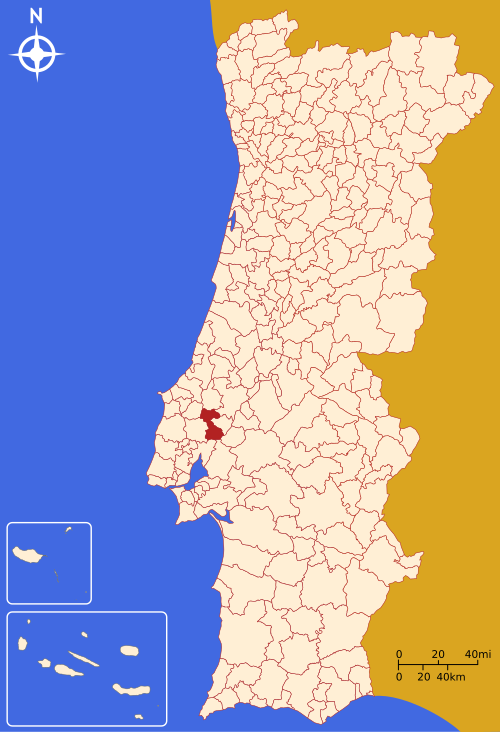
Azambuja is a municipality located in the Lisbon District of Portugal, known for its rich agricultural landscape and historical significance. The town itself, which also serves as the seat of the municipality, lies along the Zêzere River. It is strategically positioned approximately 40 kilometers northeast of Lisbon, allowing for easy access to the capital while offering a more tranquil environment. The area is characterized by rolling hills and fertile plains, making it an important agricultural zone, particularly recognized for the cultivation of cereals and vineyards. Azambuja's economy largely relies on agriculture, although it has also seen some industrial development, including food processing and ceramics.
Historically, Azambuja has roots that trace back to Roman times, evidenced by various archaeological findings in the region. The town was officially recognized in the 12th century, and its historical relevance is further exemplified by the presence of several notable monuments, including the Church of Nossa Senhora da Assunção, which showcases architectural styles from various periods. The urban layout features traditional Portuguese aesthetics, with cobbled streets and whitewashed buildings adorned with colorful tiles. The municipality also encompasses several parishes, each contributing to the cultural tapestry of the area through local festivals and artisan crafts. Azambuja has maintained its charm over the years, striking a balance between preserving its historical identity and embracing modernity, making it a unique destination within the Lisbon District.
Facts about Azambuja
- Azambuja is known for its rich agricultural heritage, especially in the production of high-quality wines and orchards, distinguishing it from other urbanized areas in Portugal.
- The town features the 17th-century Church of Nossa Senhora da Assunção, which is a notable example of Baroque architecture in the region.
- Azambuja is home to the historical estate of the Quinta do Sanguinhal, known for its wine production and beautiful gardens, making it a unique destination for wine enthusiasts.
- The town has strong connections to the Tagus River, making it historically significant for trade and transportation in the Lisbon district.
- Azambuja hosts the annual Festa de Nossa Senhora da Assunção, a traditional festival that attracts visitors with its religious processions and local gastronomy.
- The region has a unique network of canals and watermills, a remnant of its agricultural past, which sets it apart from many Portuguese towns that lack such features.
- Azambuja is situated near the historic village of Vila Nova da Rainha, giving visitors access to an array of historical landmarks within a short distance.
- In 1949, Azambuja was the site of the first-ever Recorded Supermarket in Portugal, highlighting its innovative spirit compared to other towns.
- The town has made significant investments in preserving its cultural sites, making it a unique custodian of local traditions and history.
- Azambuja is part of the Lisboa Metropolitan Area, yet maintains a distinct small-town charm, offering a different experience compared to the hustle of nearby Lisbon.