Bacoli, Italy
- 25,590 people
- 12 places to visit
- 40.7991, 14.0773
Places to Visit (12)
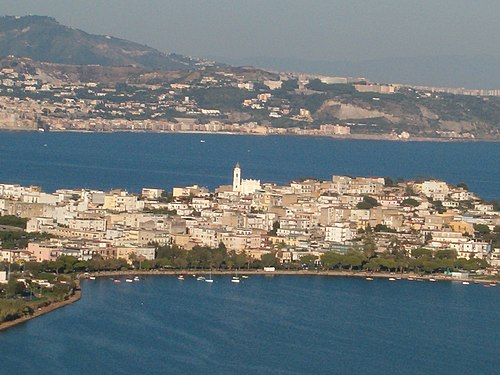
Bacoli is a picturesque town located in the Campania region of southern Italy, situated on the western coast of the Gulf of Naples. Nestled between the larger municipalities of Pozzuoli and Monte di Procida, Bacoli boasts a rich historical heritage and stunning coastal scenery. The town's origins can be traced back to ancient Roman times, when it was known as "Bacoli." Archaeological evidence suggests that during the Roman Empire, Bacoli was a popular resort area, frequented by elites seeking the therapeutic benefits of its thermal springs. The remnants of ancient Roman villas, such as the Villa of the Papyri, and the nearby archaeological site of the Baiae thermal baths reflect its historical significance and luxurious past.
Today, Bacoli is renowned for its beautiful beaches, including Spiaggia della Lucrino and Riserva Naturale dei Campi Flegrei, attracting both locals and tourists. The town is also home to numerous historical and cultural landmarks, such as the Chapel of San Giacomo, built in the 13th century, and the 18th-century Palazzo dei Fuenti, showcasing a blend of architectural styles. The local economy benefits from both tourism and fishing, with a vibrant culinary scene that emphasizes seafood. Bacoli's picturesque harbor is lined with restaurants offering fresh catch and traditional dishes. The town also serves as a gateway to the nearby Phlegraean Islands, enhancing its appeal as a destination for those interested in natural beauty, history, and outdoor recreational activities.
Culturally, Bacoli celebrates its heritage through various festivals throughout the year. One of the most notable is the Feast of San Gennaro, which includes religious processions, music, and culinary offerings, drawing both residents and visitors to participate in the festivities. Additionally, the town's location provides access to the archaeological treasures of the Campi Flegrei area, including the Solfatara volcano and the ancient Roman ruins that constitute a UNESCO World Heritage site. Overall, Bacoli is a harmonious blend of history, culture, and natural beauty, making it an appealing destination for those exploring the rich tapestry of Italy's coastal towns.
Facts about Bacoli
- Bacoli is known for its archaeological sites, particularly the remains of the ancient Roman villa of Lucius Licinius Sulla, one of the most important figures in Roman history.
- The town is located on the Phlegraean (Burning) Fields, an area rich in volcanic activity and natural phenomena, which distinguishes it from other parts of Italy.
- Bacoli has a unique tradition of producing 'Aquafresca', a local drink made from the distillation of local fruits, setting it apart from more commonly known Italian beverages.
- The picturesque coastline of Bacoli is dotted with ancient Roman ruins, providing a stunning juxtaposition of natural beauty and historical significance.
- Bacoli is home to the beautiful Aragonese Castle, which dates back to the 15th century and offers panoramic views of the Gulf of Pozzuoli and the nearby islands.
- The town hosts the annual 'Festa dei Campi Flegrei', celebrating local culture, food, and traditions, attracting visitors from all over the region.
- Bacoli is closely connected to the myth of the Roman goddess Venus, with several sites in the area related to her worship and legend.
- The Bacoli community is known for its unique fishing traditions, particularly around the ancient harbor, which has been active since Roman times.
- The town features the ancient Roman 'Baia' ruins nearby, including submerged archaeological sites that are among the few underwater archaeological parks in Italy.
- Bacoli is part of the Campi Flegrei geological and historic park, a protected area that distinguishes it with its unique landscape and rich biodiversity.