Bacolod City, Philippines
- 454,898 people
- 10 places to visit
- 10.6713, 122.9511
Places to Visit (10)
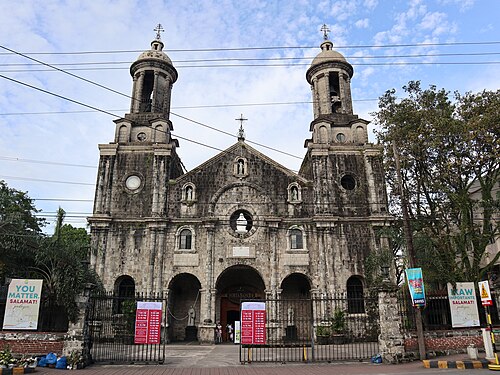
Bacolod City, located on the northeastern coast of Negros Occidental in the Philippines, is the capital of the province and one of the country's most vibrant urban centers. Known as the "City of Smiles," Bacolod is celebrated for its hospitable residents and its rich cultural heritage. The city has a population of over 600,000, making it the most populous city in Western Visayas. It serves as a significant economic hub, with its local economy primarily driven by sugar production, agriculture, and growing industries. Bacolod's strategic location near the Negros Sugarlandia, a major sugar-producing region, has historically positioned it as a central player in the sugar industry, contributing significantly to both local and national economies.
Bacolod City is renowned for its annual MassKara Festival, which draws thousands of tourists from all over the world. This vibrant celebration, typically held every October, showcases the city's artistic flair, culture, and resilience through street dancing, colorful masks, and lively parades. The festival was initiated in the 1980s as a response to the economic downturn due to the collapse of the sugar industry, symbolizing the strength and spirit of the Bacolodnons. Alongside the festival, the city features several landmarks, such as the San Sebastian Church, the Bacolod Public Plaza, and the Negros Museum, which serve as cultural and historical touchstones. The culinary scene in Bacolod is also remarkable, with local specialties like inasal (grilled chicken marinated in vinegar and spices) and piaya (a sweet pastry filled with muscovado sugar) delighting both locals and visitors alike, adding to the city’s allure. Bacolod City continues to blend tradition with modernity, making it a captivating destination in the Philippines.
Facts about Bacolod City
- Bacolod City is known as the 'City of Smiles' due to its annual MassKara Festival, which features vibrant street dancing, colorful masks, and a celebration of local culture and community spirit.
- The city is famous for its sugarcane industry and is historically referred to as the ‘Sugar Capital of the Philippines’, which has significantly influenced its economic and cultural landscape.
- Bacolod is home to the San Sebastian Church, a unique architectural landmark known for its Gothic-style architecture, making it one of the most recognizable churches in the region.
- The MassKara Festival, celebrated every October, was created in 1980 as a response to a severe economic crisis and has since evolved into a major tourist attraction, drawing thousands of visitors each year.
- Bacolod is also recognized for its diverse cuisine, particularly for its chicken inasal (grilled chicken), which has become a local specialty and a must-try for visitors.
- The city has been awarded several recognitions for its cleanliness and liveability, including being named the 'Most Livable City in the Philippines' by the Philippine Center for Clean Air and Ecological Safety.
- Bacolod City is known for its historic landmarks, including The Ruins, a grand old mansion that serves as a popular tourist spot and a testament to the city’s affluent past during the sugar industry boom.
- The city houses the Negros Museum, which showcases the region’s rich history, culture, and the impact of the sugar industry on the lives of its residents.
- Bacolod is one of the few cities in the Philippines granted a City of Culture recognition by the National Commission for Culture and the Arts, highlighting its contributions to the arts and heritage.
- The Bacolod Public Plaza is one of the largest in the country and serves as a gathering place for communities, festivals, and public events, enhancing civic engagement and local culture.