Bacoor, Philippines
- 356,974 people
- 12 places to visit
- 14.413, 120.9737
Places to Visit (12)
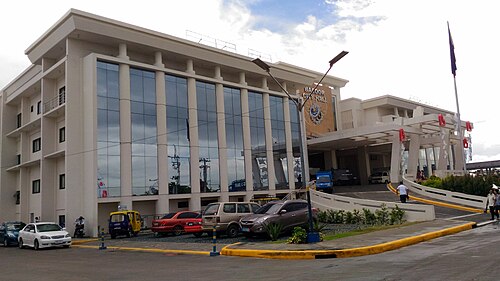
Bacoor is a city located in the province of Cavite, Philippines, approximately 19 kilometers south of Metro Manila. It is part of the Greater Manila Area and has experienced rapid urbanization and population growth in recent decades. As of the 2020 census, Bacoor had a population of over 600,000 people, making it one of the most densely populated cities in the country. Originally a town founded during the Spanish colonial period, Bacoor became a city in 2012. This transformation aligned with its expanding economic landscape, which has been fueled by its strategic location and the development of residential, commercial, and industrial areas.
Bacoor is known for its rich history, particularly in relation to the Philippine Revolution against Spanish rule. The city was the site of several significant events, including the Battle of Zapote Bridge in 1897. Today, it celebrates this heritage through various cultural festivals and landmarks, such as the historic St. Michael the Archangel Parish Church. The local government has made considerable efforts to promote civic pride, heritage conservation, and infrastructural development. Bacoor also boasts a variety of amenities, including parks, shopping malls, and educational institutions, making it an attractive destination for both residents and visitors. With its blend of historical significance and modern urban life, Bacoor continues to evolve as an important city in the Philippines.
Facts about Bacoor
- Bacoor is known for its historical significance during the Philippine Revolution, particularly the Battle of Bacoor, which was a key event in the fight for independence from Spanish rule.
- The city is home to the Imus-Bacoor Historic Battlefield, which commemorates the valiant struggle of Filipino revolutionaries and features historical markers.
- Bacoor has a unique cultural heritage, with several festivals, such as the 'Kawayanan Festival' that celebrates the bamboo industry, which is integral to local craftsmanship and culture.
- It is home to the Bacoor City Hall, designed with modern architectural elements, which serves as a hub for local governance and public services.
- The city has rapidly transformed into an urban center, contributing significantly to the economic growth of the Cavite province with ongoing infrastructure and real estate developments.
- Bacoor's coastline along Manila Bay features several beach resorts and recreational areas, making it a local weekend getaway for residents and tourists alike.
- The city is known for its vibrant community of artists and craftsmen, especially in woodworking and bamboo crafts, which was recognized in local and international fairs.
- Bacoor hosts the annual 'Turumba Festival,' which is a religious celebration that draws thousands of devotees and showcases the city's rich cultural traditions and community spirit.
- The Bacoor Church, officially known as San Nicolas de Tolentino Parish Church, is a prominent historical landmark, with its earliest records dating back to the Spanish colonial period.
- As a growing suburban area, Bacoor is appealing for families and individuals seeking a modern lifestyle while being close to Metro Manila, contributing to its unique blend of urban and provincial life.