Bad Hersfeld, Germany
- 30,725 people
- 9 places to visit
- 50.8701, 9.702
Places to Visit (9)
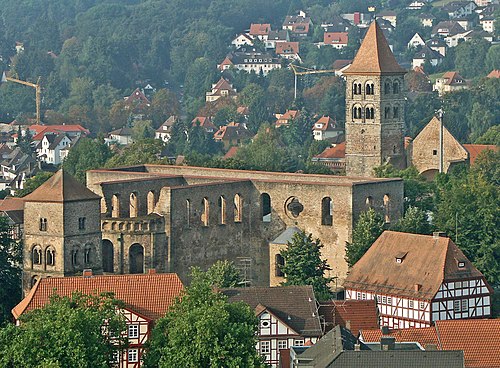
Bad Hersfeld is a historic town located in the state of Hesse, Germany, nestled in the picturesque Fulda River valley. The town, with a population of approximately 30,000 inhabitants, is known for its rich history, dating back to the early Middle Ages. Founded around the Abbey of Hersfeld, originally established in 769 by the Frankish king Charlemagne, the town quickly became an important center for culture and education during the Carolingian Renaissance. The Abbey was one of the most significant monastic foundations in the region, influencing both religious and secular life in the area until its decline in the 16th century.
Modern Bad Hersfeld is renowned for its spa facilities, drawing visitors seeking the therapeutic benefits of its mineral-rich springs. The town has embraced its wellness culture, exemplified by the Kurpark, a beautifully landscaped park that hosts various events and activities. Bad Hersfeld is also famous for its annual Festival of Bad Hersfeld, one of Germany’s most significant open-air theater events, taking place in the ruins of the former Abbey. The town's architectural heritage includes notable landmarks such as the Church of Saint Bonifatius, known for its impressive Romanesque architecture, and the striking ruins of the former Abbey, which attract tourists and history enthusiasts alike. Additionally, Bad Hersfeld plays an important role in regional logistics and industry, benefiting from its strategic location at the intersection of major transportation routes.
The surrounding region offers opportunities for outdoor activities, including hiking and cycling in the picturesque landscapes of the Hessian countryside and the nearby forests. The local economy thrives on a combination of tourism, the health sector, and light industry, with a strong focus on sustainable development. As a spa town, Bad Hersfeld aims to balance modern amenities with its historical legacy, creating a unique atmosphere that caters to both residents and visitors. With its rich cultural heritage, beautiful natural surroundings, and a commitment to wellness, Bad Hersfeld continues to be a charming destination that reflects the diverse history and vibrant community of this part of Germany.
Facts about Bad Hersfeld
- Bad Hersfeld is known for its impressive ruins of St. John's Abbey, one of the largest Romanesque churches in Germany, which dates back to the 12th century.
- The city hosts the annual Bad Hersfeld Festival, an open-air theater event that attracts thousands of visitors and is one of the largest cultural festivals in the region.
- Bad Hersfeld is recognized for its thermal springs, which have made it a popular spa town for centuries, drawing visitors seeking relaxation and health benefits.
- The town's history can be traced back over 1,200 years, making it one of the oldest settlements in Hesse, with significant references to its historical importance in the Carolingian Dynasty.
- The historic town center features the unique half-timbered buildings, showcasing traditional German architecture that is particularly well-preserved in Bad Hersfeld.
- Bad Hersfeld was a key location during both World Wars, serving as a logistics and medical hub, and many historical remnants of these times can still be found.
- The city acts as a gateway to the scenic Fulda Valley, offering picturesque landscapes and outdoor activities such as hiking and cycling for nature enthusiasts.
- Bad Hersfeld is home to the German Cheese Museum (Käsemuseum), showcasing the region's rich cheese-making tradition and history.
- The city features the 'Hersfeld Abbey Festival', celebrating its historical roots with exhibitions and reenactments that bring the past to life for visitors.
- Bad Hersfeld has a significant place in the German literature scene, with its connections to various writers and poets who were inspired by its historical and cultural ambiance.