Bad Pyrmont, Germany
- 21,629 people
- 8 places to visit
- 51.9856, 9.2521
Places to Visit (8)
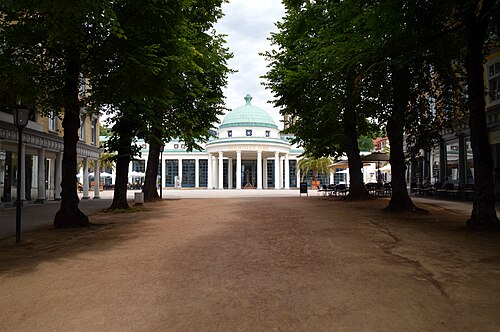
Bad Pyrmont is a picturesque spa town located in the state of Lower Saxony, Germany. Nestled within the foothills of the Teutoburg Forest, it is part of the district of Hameln-Pyrmont. With a population of around 20,000 residents, Bad Pyrmont has a long-standing reputation as a health resort, attracting visitors with its therapeutic mineral springs and tranquil environment. The town’s spa history dates back to the 17th century when the curative properties of its waters were first recognized. Today, the town features modern wellness facilities, including thermal baths and therapeutic spas, making it a popular destination for health-conscious travelers seeking relaxation and rejuvenation.
In addition to its spa culture, Bad Pyrmont boasts a rich historical heritage and charming architecture. The town center is characterized by a blend of half-timbered houses and neoclassical buildings, while the grand Pyrmont Castle, built in the 18th century, serves as a prominent landmark. Surrounding the town, the lush landscapes and parks, such as the renowned Bad Pyrmont Kurpark, offer visitors stunning natural beauty and recreational opportunities. The park features beautiful gardens, walking paths, and the famous Palm Garden, which showcases a variety of exotic plants. Throughout the year, Bad Pyrmont hosts various cultural events and festivals that celebrate local traditions, further enriching the town’s appeal as a vibrant community.
Bad Pyrmont is also well-connected to other major cities in Germany, making it accessible for visitors. Its location allows for easy day trips to nearby attractions, including the historic city of Hameln, known for the tale of the Pied Piper, and the scenic walking trails of the Teutoburg Forest. The town’s commitment to wellness, combined with its historical significance and natural beauty, makes Bad Pyrmont an attractive destination for those seeking both leisure and cultural experiences. Whether for health treatments or simply to enjoy its serene atmosphere, Bad Pyrmont holds an enduring charm and offers something for everyone.
Facts about Bad Pyrmont
- Bad Pyrmont is renowned for its historic spa facilities, which have been attracting visitors since the 18th century for their healing mineral springs.
- The town features the only two-tiered spa park in Germany, the 'Kurpark', which is a designated UNESCO Biosphere Reserve, showcasing unique botanical specimens.
- Bad Pyrmont has a longstanding tradition of being a health resort, hosting visitors such as German emperors and other distinguished figures throughout its history.
- The town is home to the Pyrmont Castle, a medieval structure that dates back to the 14th century, offering panoramic views of the surrounding area.
- Bad Pyrmont holds an annual 'Wellness Congress', which draws health and wellness professionals from across Europe, reinforcing its role as a wellness destination.
- The town is known for its iconic palm trees, which thrive in its unique microclimate, giving it a distinctive Mediterranean touch uncommon in Germany.
- Bad Pyrmont is also famous for its historic 'Pyrmonter Stadthalle', which hosts various cultural events and concerts throughout the year.
- The local tea house 'Teichmann' serves traditional Pyrmont herbal teas, showcasing the town's historical connection to herbal medicine.
- Every October, Bad Pyrmont hosts the 'Pyrmonter Schützenfest', a vibrant shooting festival, which is one of the oldest traditional events in the region.
- Bad Pyrmont's unique mineral water, rich in carbon dioxide and minerals, is bottled and sold, contributing to the town's reputation as a therapeutic location.