Bad Salzuflen, Germany
- 54,899 people
- 13 places to visit
- 52.0765, 8.7556
Places to Visit (13)
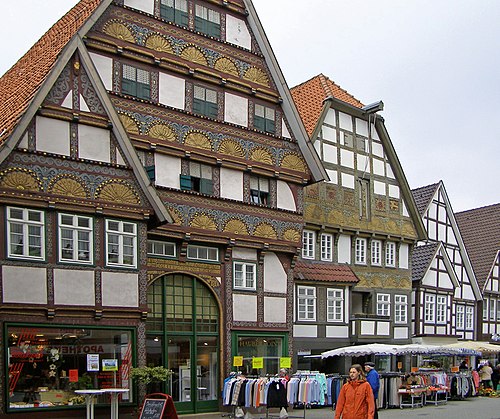
Bad Salzuflen is a spa town located in the North Rhine-Westphalia region of Germany, specifically in the Lippe district. Known for its mineral springs and therapeutic salt baths, the town attracts visitors seeking wellness and relaxation. Bad Salzuflen's history as a spa destination dates back to the 18th century, when the health benefits of its saline waters began to gain recognition. The town was officially designated as a spa resort in 1819, and over the years, it has developed a reputation for its health tourism, offering various treatments that utilize its natural resources.
The town features a charming blend of historic and modern architecture, with well-preserved buildings from different eras. One of the most notable areas is the Old Town, with its picturesque streets, half-timbered houses, and inviting squares that host outdoor cafés and shops. The Kurpark, or spa gardens, is another highlight, providing a serene environment for relaxation and leisurely walks. Additionally, Bad Salzuflen hosts annual events and festivals that celebrate its cultural heritage, attracting both locals and tourists. The town's strategic location near the Teutoburg Forest makes it ideal for outdoor activities, including hiking and cycling, further enhancing its appeal as a recreational destination.
With a population of around 20,000, Bad Salzuflen offers a friendly, community-oriented atmosphere. Transportation options include local and regional train services, providing easy access to larger cities such as Bielefeld and Paderborn. The town's commitment to health and wellness continues to shape its identity, making it a sought-after retreat for those looking to rejuvenate in a tranquil setting. Whether visitors seek therapeutic treatments or simply wish to enjoy the scenic beauty and rich history of the area, Bad Salzuflen represents a unique intersection of health, culture, and leisure, solidifying its place as a notable destination in Germany.
Facts about Bad Salzuflen
- Bad Salzuflen is renowned for its history as a spa town, with mineral salt springs that have been used for therapeutic purposes since the 18th century.
- The town is home to the UNESCO World Heritage Site of the 'Bäderstraße' (Spa Road), which reflects the unique spa culture in Germany.
- Bad Salzuflen features the 'Gradierwerk', a large salt evaporation structure, which is one of the largest in Germany, providing visitors with beneficial salt spray.
- The town hosts the annual 'Salzfest' (Salt Festival), celebrating its salt heritage through parades, music, and local crafts, making it a unique cultural event.
- Bad Salzuflen's historic Old Town is characterized by traditional half-timbered houses and a picturesque market square, distinct from many modern German cities.
- The town is famous for its botanical garden, the 'Kurpark', which offers a tranquil setting with diverse plant species and beautiful landscapes.
- Bad Salzuflen has been recognized for its outstanding air quality and wellness services, attracting health-conscious visitors seeking relaxation and recovery.
- The town has a strong artistic community, reflected in its numerous galleries and workshops that promote local craftsmanship and creativity.
- Bad Salzuflen is known for its distinctive wooden 'Kneipp' footbaths, which utilize hydrotherapy as part of the wellness experience, a feature not found in many other towns.
- The regional architecture features a blend of historic spa buildings and modern developments, emphasizing the town's evolution while retaining its charm and heritage.