Bafatá, Guinea-Bissau
- 33,502 people
- 2 places to visit
- 12.172, -14.6569
Places to Visit (2)
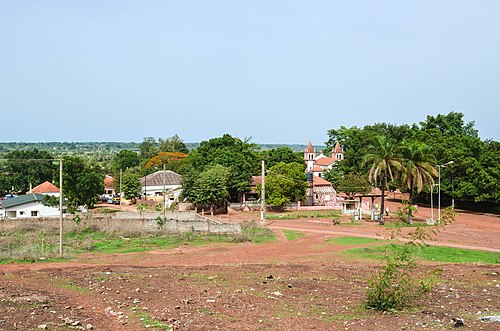
Bafatá is a prominent city in Guinea-Bissau, situated in the eastern part of the country. It serves as the capital of the Bafatá Region and is known for its rich cultural heritage and agricultural significance. The city lies along the banks of the Rio Contuboel, a tributary of the Geba River, which has historically supported farming and trade in the surrounding areas. Bafatá has a population of approximately 20,000 inhabitants, making it one of the more populated cities in Guinea-Bissau. The population is ethnically diverse, primarily composed of the Fula, Balanta, and Mandinka people, which contributes to a vibrant cultural landscape characterized by traditional festivals, crafts, and music.
Economically, Bafatá plays a crucial role in the local economy, with agriculture serving as the primary source of livelihood for many residents. The fertile lands around Bafatá are conducive to the cultivation of cashew nuts, rice, millet, and other crops, making it a key area for agricultural production in Guinea-Bissau. The city also serves as a market hub for the distribution of goods and resources between rural areas and larger urban centers. Despite its significances, Bafatá faces challenges common to many cities in the region, including inadequate infrastructure, limited access to healthcare, and educational facilities. Nonetheless, its historical importance and cultural vibrancy continue to attract attention, making Bafatá an important part of Guinea-Bissau's national identity and development.
Facts about Bafatá
- Bafatá is the second-largest city in Guinea-Bissau, serving as an important administrative and economic center.
- The city is known for its proximity to the historic Capela de Nossa Senhora da Ajuda, a significant religious site in the region.
- Bafatá was the capital of Guinea-Bissau during the colonial period, making it a site of historical importance in the country's struggle for independence.
- The city is located along the Rio Geba, which has historically provided both transportation and trade routes for the local population.
- Bafatá is known for its vibrant cultural scene, including traditional music and dance, which reflects the rich heritage of the Bijagós people.
- The annual Bafatá Cultural Festival showcases local art, music, and food, drawing visitors from across the nation and beyond.
- Bafatá is a hub for education in Guinea-Bissau, hosting several institutions that educate students from different parts of the country.
- The city features unique colonial architecture, with buildings that reflect its historical significance and blend of cultures.
- Bafatá has a diverse ethnic composition, predominantly featuring the Mandinga and Fula people, contributing to the city’s cultural richness.
- The local economy of Bafatá is heavily reliant on agriculture, with cashew nuts being one of the primary cash crops produced in the region.