Bagerhat, Bangladesh
- 266,388 people
- 6 places to visit
- 22.6552, 89.778
Places to Visit (6)
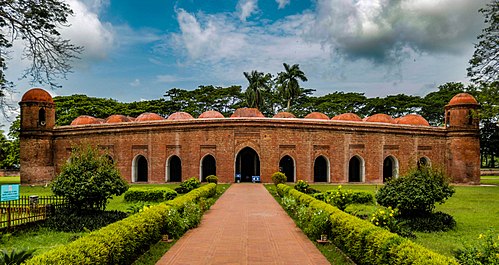
Bagerhat is a historic city located in the southwestern region of Bangladesh, serving as the headquarters for the Bagerhat District. Founded in the 15th century by the Muslim saint Khan Jahan Ali, it is renowned for its rich cultural heritage and architectural significance, particularly its impressive array of mosques and monuments. One of the most notable landmarks is the Sixty Dome Mosque (Shat Gombuj Masjid), a UNESCO World Heritage Site, which exemplifies the brilliance of medieval Bengali architecture. This mosque, built during the 1440s, features a unique design with its 60 domes and numerous slender pillars, making it a prominent symbol of the region's historical Islamic influence.
The city is also characterized by its picturesque landscapes and numerous rivers, contributing to its reputation as a center of trade and commerce during its peak. Various water bodies and the nearby Sundarbans mangrove forest, a UNESCO World Heritage Site in its own right, add to the ecological diversity surrounding Bagerhat. The combination of historical structures and natural beauty makes Bagerhat a prime destination for both local and international tourists. The economy of Bagerhat largely depends on agriculture, fisheries, and tourism, with many residents engaged in fishing and farming activities that reflect the area's traditions and lifestyle. As Bagerhat continues to develop, it remains a vital link to Bangladesh's rich past and a testament to its cultural resilience.
Facts about Bagerhat
- Bagerhat is home to the historic Sixty Dome Mosque (Shat Gombuj Mosque), a UNESCO World Heritage Site and an architectural marvel of the Bengal Sultanate period.
- The city was established in the 15th century by the saint Khan Jahan Ali, who is revered for his contributions to Islam and culture in the region.
- Bagerhat features a network of beautiful water bodies and canals, which were crucial for its development and are reminiscent of the region's past as a significant trading hub.
- Khan Jahan Ali's tomb, located in Bagerhat, is an important pilgrimage site and showcases stunning Mughal architecture with intricate decorations.
- The city played a pivotal role during the medieval period, serving as a commercial center and a strategic military base with connections to maritime trade routes.
- Bagerhat is known for its vibrant cultural heritage, including annual festivals and fairs that celebrate local traditions, handicrafts, and cuisine.
- The area surrounding Bagerhat is rich in biodiversity, with numerous rivers and wetlands that attract migratory birds, making it a vital ecological zone.
- The historical presence of various places of worship, including Hindu temples and Buddhist stupas, reflects the area's diverse religious history.
- Bagerhat's economy thrives on fishing, salt production, and agriculture, contributing significantly to the local and national economy.
- The Bagerhat district is recognized for its folk music and traditional art forms, which continue to play an essential role in the cultural identity of the region.