Bago City, Philippines
- 191,210 people
- 2 places to visit
- 10.5333, 122.8333
Places to Visit (2)
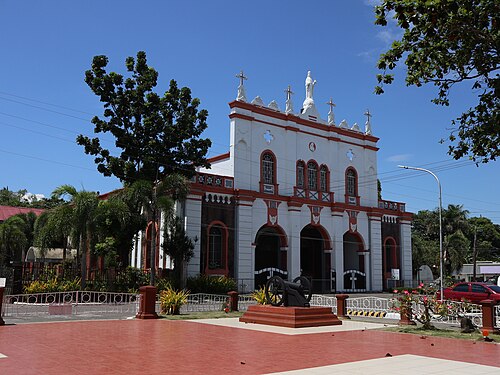
Bago City, located in the Negros Occidental province of the Philippines, is a vibrant city known for its rich cultural heritage and agricultural economy. It is situated approximately 22 kilometers northeast of Bacolod City, the provincial capital. Bago City covers an area of about 333.61 square kilometers and has a population of over 200,000 residents based on the latest census. The city's landscape is characterized by rolling hills and fertile plains, making it an agricultural hub in the region. The economy primarily revolves around the production of sugarcane, with various sugar mills operating in the area, along with rice and other crops.
Bago City is also rich in historical and cultural significance, featuring several landmarks and festivals that highlight its heritage. One of the most notable events is the Bago City Hinugyaw Festival, celebrated every January, which showcases the city's local culture through street dancing and various cultural presentations. The festival is an expression of gratitude for a bountiful harvest and is marked by colorful parades and lively performances. Additionally, Bago City is home to several historical sites, including the 19th-century San Sebastian Church and the remnants of the Japanese and American military presence during World War II. The city's blend of historic charm and agricultural productivity makes Bago City a unique and important part of the Negros Occidental region, attracting both tourists and those interested in experiencing authentic Filipino culture.
Facts about Bago City
- Bago City, located in the province of Negros Occidental, is known for its rich sugarcane industry and is often referred to as the 'Sugar Capital of the Philippines.'
- The city is home to the famous Bago River, which is vital for irrigation and supports local agriculture in the area.
- Bago City hosts the annual 'Talasang Festival,' which celebrates the city's agrarian roots and showcases its vibrant cultural heritage through street dancing and other festivities.
- The Bago City Cathedral, also known as St. John the Baptist Parish Church, is a notable landmark, featuring stunning architecture and historical significance dating back to the Spanish colonial era.
- Bago City is known for its unique 'Wandering Alms Bowl' tradition during religious processions, where devotees bring rice and other food items to offer for the poor.
- The city boasts an agricultural college called the Bago City National High School of Agriculture, which serves as a hub for agricultural education in the region.
- Bago City is home to the historic Ruins of the Bago City Hall, which reflects the architectural style of the late 19th century.
- Bago is situated near the scenic Mount Kanlaon, which is part of a protected national park and a popular destination for hikers and nature lovers.
- The city is known for its vibrant local markets, where visitors can find fresh produce, artisanal goods, and traditional delicacies unique to the region.
- Bago City plays a significant role in local advocacy for environmental sustainability through various programs aimed at promoting eco-tourism and responsible waste management.