Bago, Myanmar
- 244,376 people
- 8 places to visit
- 17.3221, 96.4663
Places to Visit (8)
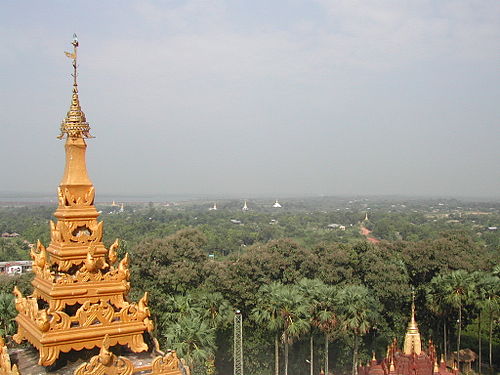
Bago, a city located in Myanmar's southeastern region, is the capital of Bago Region and lies approximately 80 kilometers northeast of Yangon, the country’s largest city. With a population of around 300,000, Bago, formerly known as Pegu, holds a significant place in Myanmar’s history and culture. Situated along the Bago River, the city serves as a major trade hub due to its strategic location. Bago's history dates back to the 1st century, and it was the capital of the Mon Kingdom in the 15th century, which greatly influenced the region’s culture and architecture. The city is renowned for its ancient pagodas, including the Shwemawdaw Pagoda, renowned for its stunning golden stupa that towers over the skyline and is one of the country’s holiest Buddhist sites.
The economy of Bago is largely driven by agriculture, with rice and traditional crafts being prominent contributors. The region is also known for its betel nut production, along with various other cash crops. Tourism is growing as visitors are drawn to Bago's rich cultural heritage, which includes numerous historic temples, monasteries, and colonial-era buildings. Notable attractions include the Kyaik Pun Pagoda, famous for its four giant seated Buddha statues, and the Kanbawzathadi Palace, a reconstructed royal palace from the era of King Bayinnaung. Additionally, nearby attractions such as the Golden Rock (Kyaiktiyo Pagoda) draw both local and international tourists, enhancing Bago’s profile as a center for cultural and religious tourism. The city blends historical significance with a vibrant cultural life, making it an intriguing destination within Myanmar.
Facts about Bago
- Bago, formerly known as Pegu, was the capital of the Mon Kingdom and is rich in historical significance.
- The Shwemawdaw Pagoda in Bago is the tallest stupa in Myanmar, reaching a height of 114 meters, making it a prominent landmark.
- Bago is famous for its reclining Buddha statue at the Shwethalyaung Pagoda, one of the most impressive reclining Buddhas in the world, measuring 55 meters long.
- The city is known for its vibrant local markets, especially the Bago Market, where visitors can experience authentic Burmese culture and local produce.
- Bago is home to the Kanbawzathadi Palace, the reconstructed royal palace of King Bayinnaung, reflecting the architectural styles of the 16th century.
- Each year, Bago hosts the sacred 'Wäsä' festival, attracting pilgrims and tourists who come to celebrate and pray at its many pagodas.
- The city is a significant hub for the Mon ethnic group, showcasing their unique culture, language, and traditions distinct from other ethnic groups in Myanmar.
- Bago is located only about 80 kilometers north of Yangon, making it a popular day-trip destination for both locals and tourists seeking to explore its historical sites.
- The Bago region is also known for its craftsmanship, particularly in traditional handicrafts like bamboo weaving and pottery, which are central to the local economy.
- As a part of the Mon State, Bago provides unique culinary delights, particularly dishes made with ingredients like fish sauce and various spices that reflect Mon culinary traditions.