Baguio, Philippines
- 272,714 people
- 17 places to visit
- 16.4023, 120.596
Places to Visit (17)
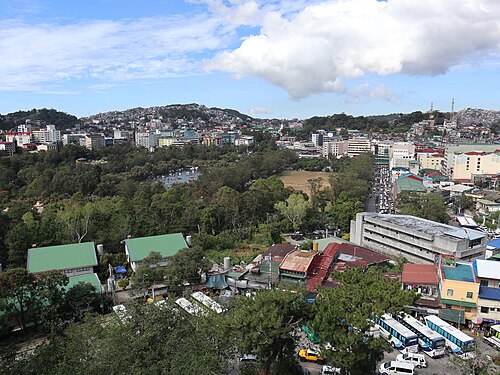
Baguio City, often referred to as the "Summer Capital of the Philippines," is a highly urbanized city located on the island of Luzon. Situated approximately 1,540 meters above sea level in the Cordillera Central mountain range, Baguio enjoys a cool climate year-round, making it a popular retreat from the tropical heat experienced in the lowlands. The city was established as a military camp by American colonizers in the early 1900s and was later developed into a city in 1909. Its picturesque landscape features pine trees, blooming flowers, and an array of parks, earning it a reputation as a city in bloom.
One of the notable attractions in Baguio is Burnham Park, which offers a variety of recreational activities such as boating on its man-made lake, cycling, and strolling through its gardens. The city is also famous for its vibrant flower festival, the Panagbenga Festival, held annually in February. This event showcases colorful floats adorned with flowers and traditional dance performances, attracting both local and international tourists. Other key landmarks include the Baguio Cathedral, Mines View Park, and the historic Teachers Camp. The city serves as an educational hub, hosting several universities and colleges, and is known for producing skilled graduates, particularly in fields such as engineering, agriculture, and education.
Baguio's economy is driven by tourism, agriculture, and trade. The city is a major producer of vegetables and is often called the "Salad Bowl of the Philippines." Local markets, such as the Baguio City Market, offer fresh produce and traditional crafts, showcasing the rich culture and artistry of the region. The mix of indigenous and colonial histories can be seen in the architecture, cuisine, and festivals celebrated in the city. Baguio continues to be an essential destination for both local and foreign visitors, celebrated for its natural beauty, cultural heritage, and temperate weather, making it a unique and cherished part of the Philippine landscape.
Facts about Baguio
- Baguio City is known as the 'Summer Capital of the Philippines' due to its cool climate, which attracts tourists during the hotter months.
- It was established as a hill station by the Americans in the early 1900s, with its founding date often cited as September 1, 1903.
- The city is famous for its unique festival, the Panagbenga Festival, also called the Flower Festival, which showcases flower floats and street dance competitions every February.
- Baguio is home to the iconic Burnham Park, named after architect Daniel Burnham, who helped design the city’s layout, featuring a man-made lake and gardens.
- The city has one of the most diverse dining scenes in the Philippines, offering a mix of traditional Cordilleran cuisine and international flavors.
- Baguio is known for its vibrant market scene, particularly the Baguio Public Market, where local produce, handicrafts, and flowers are sold.
- The city has a rich cultural heritage, being a hub for the Indigenous peoples of the Cordillera region, leading to strong traditions in crafts and festivals.
- It features several historic landmarks, including the Baguio Cathedral, a stunning neo-gothic structure that is one of the city's most photographed sites.
- Baguio has been named a UNESCO Creative City of Arts and Crafts, recognized for its artistic community and promotion of local crafts.
- The city's elevation at about 1,540 meters (5,050 feet) above sea level makes it the highest major city in the Philippines.