Bahawalnagar, Pakistan
- 126,617 people
- 30.5508, 73.3908
No places available for this city.
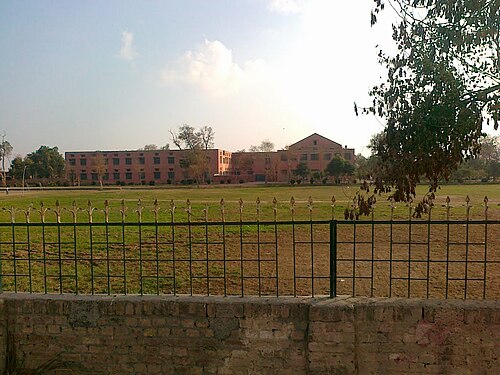
Bahawalnagar is a city located in the Punjab province of Pakistan, serving as the capital of the Bahawalnagar District. Established in 1748, the city has a rich history and was initially founded by Nawab Bahawal Khan II, a ruler of the Bahawalpur State. It is situated near the border with the Indian state of Rajasthan, making it an important geographic and cultural link between the two nations. The city is characterized by its semi-arid climate, with summer temperatures often soaring above 40 degrees Celsius, while winters are milder. The primary language spoken in the region is Punjabi, though Urdu and English are also commonly used, particularly in educational and governmental contexts.
Bahawalnagar has a diverse economy largely based on agriculture, with fertile land conducive to the cultivation of various crops, including cotton, wheat, and sugarcane. The city is also known for its dairy farming and livestock breeding, reflecting the agrarian lifestyle of its inhabitants. In addition to agriculture, small-scale manufacturing and trade play critical roles in the local economy. The strategic location of Bahawalnagar provides opportunities for trade and commerce, especially in the textile and agricultural sectors. The city features notable landmarks, including historic mosques and bazaars, which highlight its cultural heritage. Over the years, Bahawalnagar has experienced urban growth and development, leading to improvements in infrastructure, health, and education. However, like many cities in Pakistan, it faces challenges such as urbanization, economic disparity, and environmental concerns.
Tourism in Bahawalnagar remains relatively undeveloped compared to other major cities in Pakistan, yet it holds potential due to its historical significance and natural beauty. Nearby attractions include the scenic Chashma Barrage and the Bahawalnagar Wildlife Sanctuary, which is home to various bird species and other wildlife. In recent years, efforts have been made to boost tourism and preserve the cultural heritage of the area. The city’s blend of rich history, agricultural prosperity, and cultural diversity makes it a significant contributor to the social and economic fabric of Punjab, firmly establishing Bahawalnagar's role as an integral part of Pakistan's overall narrative.
Facts about Bahawalnagar
- Bahawalnagar is one of the southernmost districts of the Punjab province and was established in 1979.
- The city is known for its rich agricultural land and is a key producer of wheat, cotton, and sugarcane in Pakistan.
- Bahawalnagar is home to the historic Bahawalnagar Fort, an architectural landmark built during the British colonial era.
- The city hosts the annual Bahawalnagar Mela, a cultural festival showcasing local traditions, crafts, and cuisine.
- Bahawalnagar is situated near the Sutlej River, which plays a crucial role in the irrigation and agriculture of the region.
- The region of Bahawalnagar has a significant presence of the Bahawalpur State's historical narrative, linking it to the erstwhile princely state.
- Bahawalnagar is known for its diverse ethnic population, which includes Punjabis, Sindhis, and various local tribal communities.
- The district features numerous ancient tombs and shrines, reflecting the cultural and religious diversity of the region.
- Bahawalnagar has a unique geographic feature known as the 'Thal Desert,' which is part of the broader Thal region in Punjab.
- The city has made strides in education and healthcare, boasting several universities and medical colleges that serve the region.