Bahía Blanca, Argentina
- 299,101 people
- 16 places to visit
- -38.7183, -62.2663
Places to Visit (16)
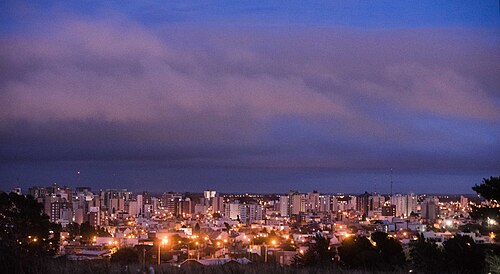
Bahía Blanca is a significant city located in the southern region of Argentina, specifically in the province of Buenos Aires. Established in 1828, it was founded by the Argentine general Ramón García del Río y Hernández. The city sits on the shores of the Atlantic Ocean, at the confluence of the Naposta and Sauce Grande creeks, making it a strategic port city. With a population of over 300,000 residents, Bahía Blanca has developed into an important industrial, commercial, and transportation hub, recognized for its deep-water port, which facilitates international trade. The port of Bahía Blanca is one of the busiest in Argentina, serving as a critical link for exports including agricultural products and raw materials.
Economically, Bahía Blanca thrives on various industries such as petrochemicals, food processing, and manufacturing. The area is also home to the National University of the South, contributing to the educational and cultural landscape of the city. Bahía Blanca has a warm-summer Mediterranean climate, characterized by hot summers and mild winters, which supports an array of agricultural activities in the surrounding region. The city also boasts several parks, waterfront areas, and cultural institutions, including museums, theaters, and art galleries, enriching the local community's quality of life. Historically, it has played a crucial role in Argentina's development, particularly during the 19th and 20th centuries, as it became a vital junction in the country’s transportation network, connecting the interior with the port and facilitating economic growth.
Today, Bahía Blanca is not only known for its economic significance but also for its vibrant cultural scene, marked by annual festivals and community events that celebrate the region's diverse heritage. The city's mix of modern urban life with historical influences provides a unique and dynamic atmosphere for both residents and visitors. Whether through its bustling port activities or the rich educational institutions, Bahía Blanca continues to be a focal point of progress and cultural diversity in Argentina.
Facts about Bahía Blanca
- Bahía Blanca is one of Argentina's most important ports, playing a crucial role in the country's economy and trade.
- The city has a unique architectural blend, showcasing neoclassical and modern styles, particularly in its downtown area.
- Bahía Blanca is home to the University of the South, known for its strong emphasis on engineering and the sciences, distinguishing it from many other regional universities.
- The city was founded in 1828 by the Argentine military leader and statesman, General Manuel Dorrego, positioning it as an important historical site.
- Bahía Blanca hosts the National Festival of Popular Music, which attracts musicians and visitors from across the country, celebrating Argentine cultural heritage.
- The local climate is semi-arid, setting it apart from the more humid climates found in many other parts of Argentina.
- Bahía Blanca has a strong naval presence, featuring the Naval Base Puerto Belgrano, the largest naval base in Argentina.
- The city is located near the Río Colorado, providing it with a strategic advantage for transportation and trade.
- Bahía Blanca is known for its extensive green spaces, including parks like Parque de Mayo, which offer recreational opportunities uncommon in other urban areas.
- The city was a significant site during the Malvinas War (Falklands War), serving as a naval and logistics hub for Argentine forces.