Bahir Dar, Ethiopia
- 350,000 people
- 6 places to visit
- 11.5876, 37.3878
Places to Visit (6)
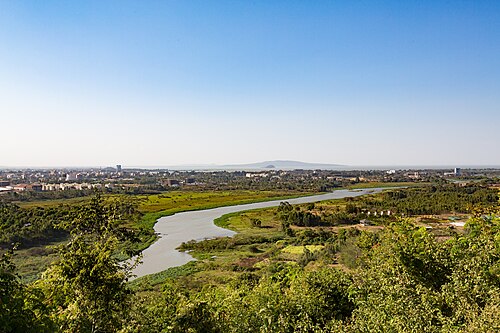
Bahir Dar is a vibrant city located in northwestern Ethiopia, serving as the capital of the Amhara Region. Situated on the southern shore of Lake Tana, the largest lake in Ethiopia, Bahir Dar is known for its scenic beauty and cultural significance. The city is approximately 565 kilometers from Addis Ababa, the capital of Ethiopia, and is a vital center for trade and transportation in the region. Its strategic location near the source of the Blue Nile River has historically made it an important hub for commerce and agriculture. The population of Bahir Dar is predominantly composed of the Amhara ethnic group, along with other communities, contributing to the city’s rich cultural tapestry.
Bahir Dar is famous for its historical sites and natural attractions. The city is home to several well-preserved monasteries located on the islands of Lake Tana, including the notable Zege Peninsula monasteries, which are known for their ancient religious artifacts and beautifully painted church interiors. The nearby Blue Nile Falls, known as "Tis Issat" in Amharic, is a major tourist draw, captivating visitors with its impressive cascade, particularly during the rainy season. The city also features a pleasant climate with lush landscapes, making it an attractive destination for both local and international travelers. As the gateway to the historical routes of northern Ethiopia, Bahir Dar plays a crucial role in cultural tourism, offering access to the ancient rock-hewn churches of Lalibela and the historical sites of Gondar.
In recent years, Bahir Dar has undergone significant development, improving its infrastructure and public services. The city's economy is driven by agriculture, trade, and tourism, with increasing investments in hospitality and urban development. The local government has prioritized enhancing the living conditions for its residents while preserving the city’s cultural heritage and natural beauty. With its blend of scenic views, rich history, and economic growth, Bahir Dar continues to emerge as a key player in Ethiopia’s urban landscape, attracting attention for both its potential and its cultural wealth.
Facts about Bahir Dar
- Bahir Dar is known for its stunning location on the shores of Lake Tana, the largest lake in Ethiopia, which is also a source of the Blue Nile River.
- The city is famous for the fascinating and ancient monasteries located on the islands of Lake Tana, such as the Ura Kidane Meheret and the Kebran Gabriel monasteries, which date back to the 14th century.
- Bahir Dar is home to the Blue Nile Falls, known locally as Tis Issat, which is a major tourist attraction noted for its powerful flow and scenic beauty.
- The city has a vibrant cultural scene, including the annual Bahir Dar Festival that showcases local music, dance, and traditional food.
- Bahir Dar has been a significant historical center, especially during the reign of Emperor Haile Selassie, who established the city as the capital of the Gonder region.
- The city serves as a gateway to the Simien Mountains National Park, which is a UNESCO World Heritage Site and famous for its rugged terrain and endemic wildlife.
- Bahir Dar features a picturesque promenade along the shore of Lake Tana, which is popular among locals and tourists for walking, jogging, and enjoying the stunning sunsets.
- The city's infrastructure has seen significant development in recent years, with new hotels, restaurants, and amenities catering to both local residents and tourists.
- Bahir Dar is known for its coffee culture, with many cafes serving traditional Ethiopian coffee prepared in a ceremonial style that highlights the nation's coffee heritage.
- The annual Lake Tana Cultural Festival celebrates the rich heritage of the Amhara region and brings together local artists, musicians, and craftspeople to showcase their work.