Baia Mare, Romania
- 136,553 people
- 9 places to visit
- 47.6567, 23.585
Places to Visit (9)
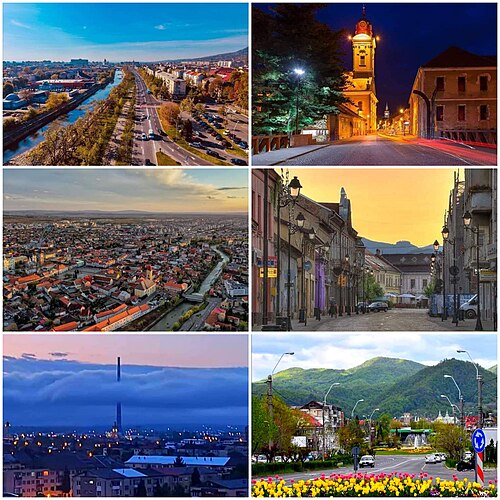
Baia Mare is a city located in northwestern Romania, serving as the capital of Maramureș County. It lies at the confluence of the Săsar and Gutâi rivers, nestled in the picturesque valley of the Gutâi Mountains. The city, known for its rich history and cultural heritage, has a population of approximately 100,000 residents. Originally documented in the 13th century, Baia Mare, which translates to "Great Mine," gained significance during the Middle Ages due to its prosperous silver and gold mines. Over the centuries, it evolved into an important economic center, particularly during the Austro-Hungarian Empire.
Today, Baia Mare boasts a diverse architectural landscape that reflects its history, featuring medieval churches, Art Nouveau buildings, and remnants of mining operations. Notable landmarks include the Central Park, the iconic Stephan’s Tower, and the National Museum of Art, which showcases local and regional artists. The city's economy has diversified beyond mining, with sectors such as manufacturing and services contributing to its growth. Additionally, Baia Mare is recognized for its commitment to preserving the local culture and traditions, evident in various festivals and events that celebrate Maramureș’s folklore, crafts, and cuisine.
Surrounded by lush nature, Baia Mare serves as a gateway to numerous outdoor recreational activities, including hiking, skiing, and exploring the scenic landscapes of the nearby Maramureș Mountains National Park. The city is also well-connected by road and rail, making it accessible for tourists looking to experience the unique blend of history, culture, and natural beauty that defines this region. With its strategic location, rich heritage, and vibrant community, Baia Mare continues to be a significant destination in Romania, bridging the past with a promising future.
Facts about Baia Mare
- Baia Mare is known for its rich history in mining, particularly gold and silver, dating back to Roman times.
- The city hosts the famous wooden churches of Maramureș, which are UNESCO World Heritage Sites.
- Baia Mare was once a significant cultural hub in the region, hosting numerous art festivals and events, such as the Baia Mare International Film Festival.
- The city is surrounded by the scenic Apuseni Mountains, providing stunning natural landscapes and outdoor activities.
- Baia Mare features a vibrant street art scene, with murals and graffiti art contributing to its urban aesthetic.
- The historic center of Baia Mare is home to the iconic Tower of Stephen, a medieval structure that offers panoramic views of the city.
- Baia Mare is recognized for its annual Skirt Festival, a celebration of women's creativity and fashion, attracting international participants.
- The city's name translates to 'Great River' in English, referencing the nearby Săsar River that runs through it.
- Baia Mare has a diverse population, which has resulted in a melting pot of cultures, evident in its architecture, cuisine, and festivals.
- The city is home to the Baia Mare Regional Museum of History and Archaeology, which showcases artifacts from the Neolithic to the medieval period.