Baja, Hungary
- 37,714 people
- 8 places to visit
- 46.1818, 18.9543
Places to Visit (8)
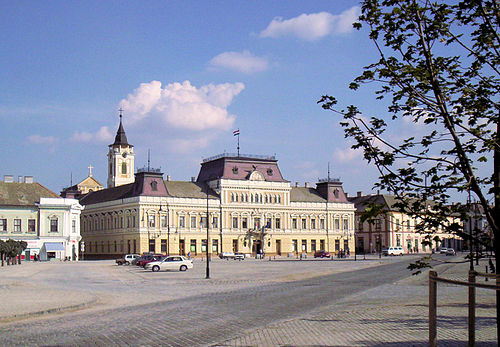
Baja is a picturesque town located in southern Hungary, straddling the banks of the Danube River. Renowned for its rich history and vibrant culture, it has a population of around 35,000 residents. Baja's origins date back to the Roman era, but it flourished in the Middle Ages when it became an important trading and fishing hub. The town's historical legacy is evident in its architecture, with numerous churches, such as the Baroque-style St. Stephen's Church, and the impressive Town Hall showcasing eclectic styles that reflect its diverse past. The city is also known for its proximity to several national parks, offering residents and visitors outdoor recreational opportunities amidst lush landscapes.
Baja is especially famous for its culinary specialties, particularly its fish soup, known as "Bajai halászlé." This traditional dish draws on the local fishing heritage and is often prepared during festivals and community gatherings, exemplifying the town's strong sense of tradition and community spirit. The town is also celebrated for its annual events, including the Baja Fish Soup Festival, which attracts people from across Hungary and beyond, showcasing the local gastronomy and cultural richness. Furthermore, the Danube River plays a crucial role in the town's identity, providing a scenic backdrop for various leisure activities such as boating and fishing. With its historical charm, culinary specialties, and vibrant cultural life, Baja remains a unique and inviting destination in Hungary.
Facts about Baja
- Baja is known as the 'City of Fish' due to its rich fishing culture and the annual Fish Festival, which celebrates local cuisine and traditions.
- The city is located at the confluence of the Danube and the Sugovica rivers, making it a significant point for trade and transportation historically.
- Baja has a unique architectural heritage, with notable structures like the Baroque-style Church of the Assumption, showcasing its historical significance.
- The town features the iconic Baja Water Tower, built in the early 20th century, which serves as a prominent cultural landmark.
- Baja is famous for its paprika production, which is an essential ingredient in many traditional Hungarian dishes.
- The annual Baja Fish Festival typically attracts tens of thousands of visitors, showcasing culinary contests, local crafts, and cultural performances.
- Baja has a significant Jewish heritage, with historical cemeteries and synagogues that reflect its diverse cultural history.
- The town hosts the Baja Coastal Train, a unique transportation option for exploring the scenic banks of the Danube River.
- Baja was historically a center for shipbuilding, contributing to its economic importance in the region during the Austro-Hungarian Empire.
- The local museum in Baja houses a collection of artifacts that highlight the town's maritime history and its evolution over the centuries.