Baku, Azerbaijan
- 1,116,513 people
- 18 places to visit
- 40.4093, 49.8671
Places to Visit (18)
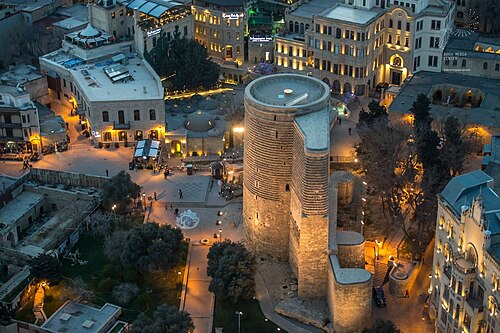
Baku, the capital city of Azerbaijan, is a vibrant metropolis located along the western shore of the Caspian Sea. With a rich history that dates back over a thousand years, Baku has evolved from a small fishing village to an important cultural and economic center in the South Caucasus region. The city's strategic position along the Silk Road facilitated its growth as a hub for trade, commerce, and cultural exchange. Today, Baku boasts a blend of modern architecture and historical sites, reflecting its diverse heritage. The Old City, or Icherisheher, is a UNESCO World Heritage Site, featuring narrow alleys, ancient mosques, and the iconic Maiden Tower, which dates back to the 12th century.
Modern Baku is marked by its striking skyline, dominated by contemporary structures such as the Flame Towers, which symbolize the country’s oil wealth and national identity. Azerbaijan's rapid economic development since the 1990s has transformed Baku into a focal point for both political and cultural events in the region. The city hosts the annual Baku International Jazz Festival and has been the backdrop for numerous international events, including the 2015 European Games and the Formula 1 Azerbaijan Grand Prix. The city is also recognized for its commitment to arts and culture, with institutions like the Azerbaijan State Academic Opera and Ballet Theater, and museums showcasing the rich Azerbaijani heritage.
Baku's diverse population reflects its multicultural history, with numerous ethnic groups coexisting in harmony. The city is characterized by a mix of traditions and modernity, offering a unique culinary landscape that includes traditional Azerbaijani dishes as well as international cuisine. Baku is known for its hospitable atmosphere, making it a popular destination for tourists. Visitors are drawn to the city's parks, such as the lush Upland Park, which offers panoramic views of the capital, and its waterfront promenade, the Baku Boulevard, where locals and tourists alike relax and engage in various recreational activities. As Azerbaijan continues to rise as a key player in energy markets and regional politics, Baku stands at the forefront of this transformation, symbolizing the country’s aspirations and achievements.
Facts about Baku
- Baku is the capital and largest city of Azerbaijan, known for being a major cultural and industrial center.
- The Old City, or 'Icherisheher', is a UNESCO World Heritage Site and features the iconic Maiden Tower and the Palace of the Shirvanshahs, showcasing the rich history of the city.
- Baku is located on the western coast of the Caspian Sea and is the lowest lying national capital in the world, sitting at 28 meters below sea level.
- The Flame Towers, a trio of skyscrapers built in the shape of flames, are the tallest structures in Baku and symbolize the city's connection to its natural gas resources.
- Baku hosted the Eurovision Song Contest in 2012, marking its emergence as a prominent player in international cultural events.
- The city is famed for its unique blend of architecture, with both medieval and modern styles coexisting, including the futuristic design of the Heydar Aliyev Center by Zaha Hadid.
- Baku is recognized for its rich culinary heritage, prominently featuring dishes like Qutab and Piti, which reflect a unique fusion of flavors from both Eastern and Western cuisines.
- The Baku Boulevard, stretching along the Caspian Sea, is one of the city's most popular recreational areas, featuring parks, cafes, and the impressive Baku Eye ferris wheel.
- The International Mugham Center in Baku is dedicated to the traditional Azerbaijani music genre 'Mugham' and plays a key role in preserving and promoting the country's musical heritage.
- Baku is known as the 'City of Winds' due to its strong winds that influence the climate and geography, setting it apart from other Azerbaijani towns.