Bălţi, Moldova
- 125,000 people
- 13 places to visit
- 47.754, 27.9184
Places to Visit (13)
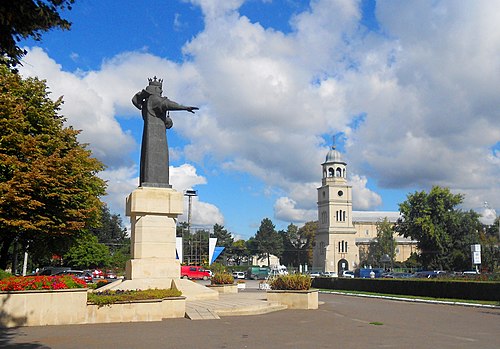
Bălţi is the second-largest city in Moldova, situated in the northern part of the country. The city is the administrative center of the Bălţi District and has a rich history that dates back to the 15th century. With a population of approximately 90,000 residents, Bălţi is a vital cultural and economic hub. The city's strategic location along the Răut River has historically contributed to its development, making it a significant trade center in the region. Bălţi gained its town status in 1812 when it became part of the Russian Empire, and since then, it has evolved significantly, influenced by various cultures and political changes throughout the centuries, including periods under Romanian, Soviet, and independent Moldovan governance.
The city features a mix of architectural styles, showcasing its diverse historical influences. Among the notable landmarks are the Church of St. Nicholas, built in the 19th century, and several Soviet-era buildings that reflect the city’s communist past. Bălţi is also home to a number of educational institutions, including the Alecu Russo State University, which serves as a center for higher education in the region. The economy of Bălţi has traditionally relied on agriculture and manufacturing, but in recent years, it has diversified with a growing service sector. The local economy benefits from various industrial activities, including food processing and the production of textiles and machinery. Bălţi's cultural scene is vibrant, thanks to its theaters, museums, and various festivals that celebrate the city's rich traditions and heritage.
Despite its challenges, including economic transitions and urban development issues, Bălţi remains an important city in Moldova, symbolizing both the historical depth and contemporary aspirations of the nation. Its blend of cultural influences and dynamic growth prospects positions Bălţi as a critical player in shaping Moldova’s future. The city's ongoing modernization efforts, combined with its deep-rooted traditions, offer a unique glimpse into the life of a Moldovan city navigating the complexities of the post-Soviet landscape while striving for growth and stability.
Facts about Bălţi
- Bălţi, often referred to as the 'Northern Capital' of Moldova, is the second-largest city in the country, known for its significant economic and cultural importance.
- The city has a rich historical background, having been first mentioned in documents in the 15th century, which makes it one of the older settlements in Moldova.
- Bălţi is unique for its diverse architectural styles, featuring a mix of Soviet-era buildings, traditional Moldovan houses, and modern structures, showcasing the city’s evolution over time.
- It is home to the prestigious Alecu Russo State University, the only university in northern Moldova, which attracts students from various regions.
- The city hosts the annual Bălţi Festival of Arts, a cultural event that celebrates local talents in music, dance, and visual arts, distinguishing it from other cities with a focus on cultural heritage.
- Bălţi serves as a key transportation hub in Moldova, with a significant railway station that connects it to major cities, highlighting its strategic importance in the region.
- The city is known for its vibrant markets, especially the Bălţi Central Market, which provides a wide variety of local produce and goods, setting it apart from other towns.
- Bălţi has a notable Jewish heritage, with a historic community that dates back to the 19th century, contributing to the city’s rich multicultural fabric.
- The city features the largest park in northern Moldova, the 'Mihai Eminescu' Park, which is a popular recreational area that draws residents and visitors alike.
- Bălţi is also known for its involvement in various sports, particularly football, with multiple local teams that compete in national leagues, fostering a strong sporting community.