Bamako, Mali
- 4,227,569 people
- 9 places to visit
- 12.6392, -8.0029
Places to Visit (9)
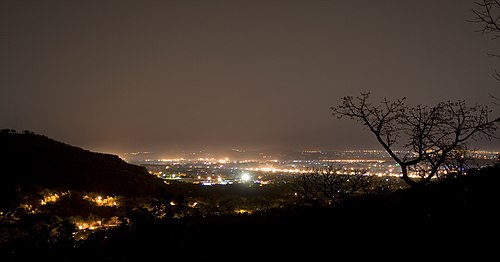
Bamako, the capital and largest city of Mali, is strategically situated on the Niger River's banks in the southwestern part of the country. As of 2023, the city's population is estimated to be over 2 million, making it one of the fastest-growing urban centers in West Africa. Founded in the 11th century, Bamako has evolved from a small village focused on trade and agriculture into a vibrant metropolis that serves as Mali's political, cultural, and administrative heart. The city's economy is diverse, with agriculture, trade, and services playing significant roles. Notably, Bamako is also known for its rich musical heritage, being home to various musical styles, including griot traditions and modern genres such as hip-hop and pop. It hosts several cultural events and festivals that showcase local and international talent.
In addition to its economic and cultural significance, Bamako is an important educational hub, housing institutions like the University of Bamako and various technical schools that contribute to the rising literacy rates and skill development in the region. Architecturally, the city features a mix of traditional Malian styles and modern buildings, reflecting its historical depth and contemporary aspirations. Key landmarks include the National Museum of Mali, which exhibits the country's rich history and culture, and the Great Mosque of Bamako, an example of modern Islamic architecture. The city is also a gateway to Mali's vast natural landscapes and tourist sites, including the nearby Bandiagara Escarpment and the ancient city of Timbuktu, which further enhances its role as a central point of interest in West Africa.
However, Bamako faces challenges typical of rapidly growing urban centers, including infrastructure development, traffic congestion, and the need for improved public services. Additionally, political volatility and security issues in the wider region have affected the city's stability and development. Despite these challenges, Bamako continues to be a resilient city, poised for growth and adaptation, as it navigates the complexities of modern urban life while preserving its rich cultural identity. The blend of historical significance, an evolving economy, and a vibrant cultural scene makes Bamako a unique and vital city in the African context.
Facts about Bamako
- Bamako is the capital and largest city of Mali, serving as the political, cultural, and economic center of the country.
- The city is situated on the banks of the Niger River, which plays a crucial role in its economy and provides a scenic backdrop for the cityscape.
- Bamako is home to the National Museum of Mali, which showcases the country's rich history, culture, and art, making it a significant cultural hub.
- The city hosts the annual Festival on the Niger, a vibrant celebration of music, dance, and arts that attracts both local and international visitors.
- Bamako's architecture reflects a mix of traditional Malian styles and modern structures, including notable landmarks like the Mali National Stadium and the Monument of Independence.
- The city is known for its bustling markets, such as the Grand Marché, where a variety of local goods, crafts, and produce can be found, reflecting the local economy.
- Bamako has been a significant center for education in Mali, with several institutions including the University of Bamako, contributing to the city’s reputation as an educational hub.
- As a crucial transport and logistical center, Bamako serves as a key gateway for trade and transportation within West Africa and across neighboring countries.
- The city has a vibrant music scene, including genres like Wassoulou and the internationally recognized Malian music style, contributing to its cultural distinction.
- Bamako played a pivotal role during the establishment of the modern state of Mali, being a center of various political movements and developments throughout the country's history.