Bambari, Central African Republic
- 83,029 people
- 2 places to visit
- 5.7643, 20.6705
Places to Visit (2)
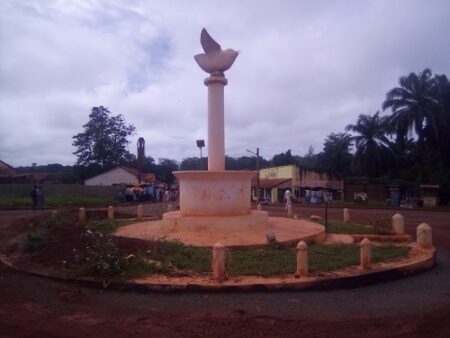
Bambari is a prominent city located in the Central African Republic (CAR), serving as the capital of the Bambari sub-prefecture in the Ouaka Prefecture. Situated approximately 380 kilometers northeast of the capital city, Bangui, Bambari has an estimated population of around 40,000 residents. The city is strategically positioned along the successful transport routes that connect various regions of the country, facilitating trade and movement between rural areas and urban centers. Bambari is characterized by its vibrant cultural diversity, with a mix of ethnic groups, including the Banda, Mandjia, and various other communities contributing to its rich cultural tapestry.
Historically, Bambari has been significant for its role as a trade hub, particularly for the local agricultural economy, which relies on crops such as cassava, millet, and maize. The city also plays a vital role in the regional economy, with markets that serve not only local residents but also people from surrounding rural areas. In recent years, Bambari has been affected by the political instability and civil unrest that have plagued the Central African Republic since the ongoing conflict began in 2013. The city has witnessed violence and humanitarian crises, with many residents being displaced as a consequence of the national turmoil. Despite these challenges, Bambari continues to be a center for humanitarian efforts, with various international organizations, including the United Nations and NGOs, providing assistance to those affected by the violence.
Bambari's geographical location near the Ouaka River has provided both opportunities and challenges, as the city is susceptible to flooding during the rainy season. Nevertheless, the natural beauty of the surrounding area, characterized by forests and savannah, offers potential for eco-tourism and agricultural development. Additionally, the city's historic landmarks, including the remnants of colonial architecture, are testament to its historical significance. Efforts for recovery and rebuilding are ongoing, as residents and local leaders endeavor to restore stability and promote sustainable development in the region. Community resilience and international support are essential for Bambari's future, as it strives to emerge from the shadows of conflict and rebuild its identity as a vibrant urban center in the Central African Republic.
Facts about Bambari
- Bambari is known for its rich cultural heritage and is a center for various ethnic groups, particularly the Bantu and the Goundo people.
- The city has historical significance due to its role as a trading hub during the colonial period, particularly in the exchange of goods like ivory and rubber.
- Bambari is home to the iconic Saint Paul Cathedral, which is a significant landmark and symbolizes the city's Christian heritage.
- In terms of geography, Bambari is situated at the confluence of two major rivers, the Ubangi and the Mbomou, providing vital transportation links.
- Bambari hosts a vibrant local market where artisans sell unique crafts, including handmade textiles and traditional jewelry, distinguishing it from other towns.
- The city has been pivotal in peacekeeping efforts during civil conflicts, serving as a base for various humanitarian organizations working in the region.
- Bambari is notable for its participation in agricultural production, particularly in the cultivation of cassava and rice, contributing significantly to the local economy.
- The city's diverse population results in a unique blend of languages spoken, including Sango, French, and various local dialects.
- Bambari is often referred to as a cultural melting pot due to its annual festivals that celebrate the traditions and customs of multiple ethnic groups.
- The region surrounding Bambari is home to various wildlife and ecological sites, making it a point of interest for eco-tourism in the Central African Republic.