Bamenda, Cameroon
- 420,445 people
- 9 places to visit
- 5.9631, 10.1591
Places to Visit (9)
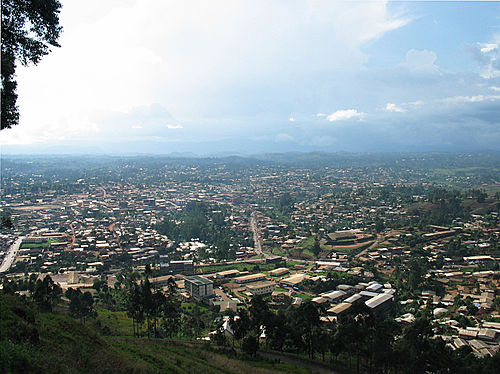
Bamenda, the capital of the North West Region of Cameroon, is a vibrant city known for its rich cultural heritage and scenic landscapes. Sitting at an elevation of approximately 1,600 meters (5,250 feet) in the Northwest Highlands, Bamenda serves as a key economic and administrative hub for the region. The city is characterized by a temperate climate, making it a popular destination for both locals and tourists seeking respite from the heat typical of other parts of Cameroon. Its strategic location connects it to major cities like Douala and Yaoundé through road networks, facilitating trade and commerce. The economy of Bamenda is primarily driven by agriculture, with crops like maize, beans, and potatoes being significant contributors. The surrounding areas are known for their lush green hills and fertile plains, ideal for farming.
Bamenda is culturally diverse, with various ethnic groups, notably the Tikar, Noni, and Ejagham, contributing to its rich tapestry of traditions and customs. The city is recognized for its vibrant arts scene, encompassing handicrafts, music, and dance, showcasing the talents of local artisans and performers. Traditional ceremonies often attract visitors and create a lively atmosphere. Furthermore, Bamenda is home to several educational institutions, including the University of Bamenda, which plays a crucial role in promoting higher education and research in the region. Despite its cultural and economic significance, Bamenda has faced political challenges, particularly surrounding issues of Anglophone rights and calls for greater autonomy. This sociopolitical context has led to tensions but has also galvanized community action aimed at peacebuilding and social cohesion. Overall, Bamenda reflects a unique blend of tradition and modernity, embodying the spirit and resilience of its people.
Facts about Bamenda
- Bamenda is known as the 'City of Memories' due to its rich history and significance during the colonial era, serving as a vital center for the Anglophone community.
- The city is surrounded by lush hills and valleys, making it famous for its scenic beauty and a climate often described as cool and pleasant compared to other regions in Cameroon.
- Bamenda hosts the Nkwen Market, one of the largest and most vibrant markets in the northwest region, where local crafts, food, and cultural experiences are abundant.
- The city is recognized for its distinct cultural heritage, including the traditional Ngemba people and their unique festivals, such as the Ngemba Cultural Festival.
- Bamenda is the administrative capital of the Northwest Region and a significant center for education and research, hosting institutions like the University of Bamenda.
- The city is known for its contributions to the arts, particularly through its music scene which promotes genres such as Hip Hop, Makossa, and traditional music.
- Bamenda played a strategic role during the Anglophone Crisis, becoming a focal point for discussions on English-speaking rights in Cameroon.
- The Awing, Bafut and Nso palaces, which are significant historical landmarks, can be found in the vicinity of Bamenda, showcasing the traditional governance of the grassfields.
- The city has a unique architectural blend, featuring modern buildings alongside colonial-era structures that reflect its diverse history.
- Bamenda is famous for its challenges and resilience, often hosting peace conferences and forums aimed at conflict resolution and community development.