Bandō, Japan
- 57,128 people
- 13 places to visit
- 36.0481, 139.8889
Places to Visit (13)
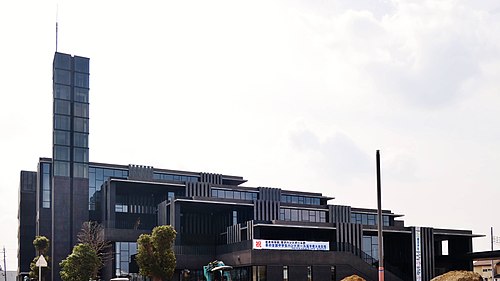
Bandō is a city located in Ibaraki Prefecture, Japan, situated in the northeastern part of the Kanto region. Founded as a city in 1954, Bandō has a rich historical background that dates back to ancient times, being part of the greater area known for its agriculture and trade. The city covers an area of approximately 134.42 square kilometers and, as of the latest estimates, has a population of around 60,000 residents. The city is characterized by a mix of rural landscapes and urban developments, providing a harmonious balance between modern living and natural beauty.
Bandō is well-known for its agriculture, particularly in the production of fruits and vegetables, benefiting from its fertile land and favorable climate. The region is particularly famous for strawberries, which attract tourism during the harvest season, and local producers often open their farms to visitors, allowing them to pick fresh strawberries. In addition to its agricultural significance, Bandō also boasts cultural landmarks, including shrines and temples that reflect the spirituality and traditions of the area. One of the notable features is the Tamasaki Shrine, which is deeply respected by locals and visitors alike for its historical and cultural importance.
The city is easily accessible, with various transportation options connecting it to nearby urban centers, including Mito, the capital of Ibaraki Prefecture. Bandō promotes a blend of community life and modern amenities, with educational institutions and recreational facilities catering to residents' needs. The city also hosts various festivals and events throughout the year, further enriching its cultural tapestry and fostering a sense of community among its residents. Overall, Bandō represents a unique aspect of Japan that combines agricultural richness, cultural heritage, and community-driven life, making it a noteworthy destination in the Kanto region.
Facts about Bandō
- Bandō is famous for its traditional Japanese pottery known as 'Bando ware,' which has been produced since the Edo period.
- The city hosts the annual 'Bandō Matsuri,' a vibrant festival featuring traditional dance and music, attracting visitors from across the region.
- Bandō is home to the historic ‘Bandō Shrine,’ which is dedicated to Futsunushi no Mikoto, a deity known for martial arts and bravery.
- The city is part of the 'Twin Cities' program, promoting cultural exchange with its sister city, Gyeongju in South Korea.
- Bandō is located in the Ibaraki Prefecture and is known for its beautiful landscapes, including the nearby Tsukuba Mountain range.
- The city has a significant agricultural sector, particularly in the production of high-quality rice, which is celebrated in local festivals.
- Bandō's historical significance includes being a post town on the 'Kanto Do,' one of the five routes connecting Edo (Tokyo) to other regions during the Edo period.
- The Bandō City Museum showcases local history and culture, including artifacts from the region's pottery tradition.
- Bandō is recognized for its eco-tourism initiatives, promoting sustainable practices and preserving local wildlife.
- The city has a strong sense of community, with various local organizations working together to promote cultural heritage and arts.