Banī Suwayf, Egypt
- 273,151 people
- 5 places to visit
- 29.0661, 31.0994
Places to Visit (5)
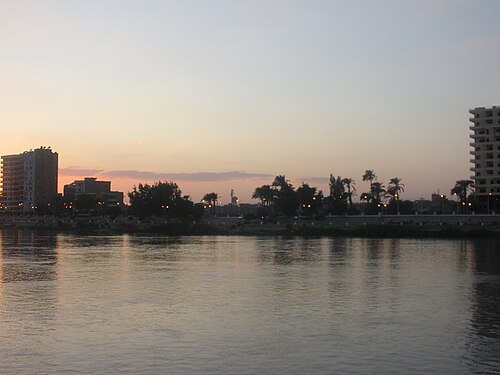
Banī Suwayf is a village and city located in the middle of Egypt, serving as the capital of Banī Suwayf Governorate. Positioned approximately 100 kilometers south of Cairo along the Nile River, it has historically been an important agricultural and administrative center. The city boasts a strategic location that facilitates transportation and trade, contributing to its development over the years. Banī Suwayf is characterized by its rich history and cultural heritage, with settlement in the area dating back to ancient Egyptian civilization as evidenced by nearby archaeological sites.
The economy of Banī Suwayf is primarily driven by agriculture, with the fertile lands along the Nile supporting a variety of crops, including wheat and corn. In addition to agriculture, small-scale industries and crafts play a significant role in the local economy, reflecting the traditional livelihoods of its residents. The infrastructure in Banī Suwayf has improved significantly in recent years, with enhancements in roads, healthcare, and educational facilities, fostering a growing urban population. The city's demographics consist predominantly of Egyptian Arabs, and it serves as a vital hub for surrounding rural communities, providing access to services and markets.
Culturally, Banī Suwayf is known for its vibrant social life and local festivals, which capture the essence of rural Egyptian traditions. The area is also home to several mosques and historic sites that attract visitors and pilgrims, although it is less known than other cities like Cairo or Luxor. Additionally, the city plays a role in Egypt's educational landscape, hosting various institutions that serve the needs of the local population. Overall, Banī Suwayf is a city where agricultural traditions meet modern developments, reflecting the dynamic changes of contemporary Egyptian society while maintaining its historical roots.
Facts about Banī Suwayf
- Banī Suwayf is home to the ancient site of the city of Hermopolis, known for its significance in ancient Egyptian religion and culture, representing the deity Thoth.
- The city serves as a major agricultural hub in Egypt, particularly known for its production of crops such as wheat and corn, contributing significantly to the national economy.
- Banī Suwayf is notable for its vibrant traditional crafts, including pottery and weaving, which reflect the rich cultural heritage of Upper Egypt.
- Historically, the city was an important center during the Islamic period, hosting several mosques and monuments that illustrate Islamic architecture and influence.
- Banī Suwayf hosts the annual 'Banī Suwayf Festival,' which celebrates local culture, arts, and foods, attracting visitors from various regions of Egypt.
- The city features the iconic Banī Suwayf Bridge, which spans the Nile and is renowned for its stunning views and recreational areas for residents and tourists.
- Banī Suwayf is known for its archaeological significance, with ongoing excavations revealing artifacts and structures from different periods of Egyptian history.
- The city plays a crucial role in Egypt's educational landscape, hosting a branch of Beni Suef University, which is recognized for its medical and engineering programs.
- Banī Suwayf has been a center for literary and artistic movements in Egypt, contributing to the works of notable writers and poets during the 20th century.
- The region around Banī Suwayf is known for its historical significance during the Egyptian Revolution of 1952, with local activists playing a pivotal role in the national movement.