Banja Luka, Bosnia and Herzegovina
- 221,106 people
- 15 places to visit
- 44.7722, 17.191
Places to Visit (15)
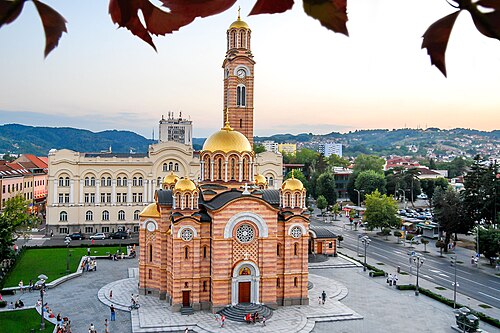
Banja Luka, the second-largest city in Bosnia and Herzegovina, serves as the administrative center of the Republika Srpska entity. With a population of around 185,000, it is located in the northern part of the country, nestled along the banks of the Vrbas River. The city is known for its picturesque natural surroundings, including rolling hills and lush forests. Banja Luka has a rich history that dates back to ancient times, with Roman roots evident in the archaeological remains and historical sites scattered throughout the area. The city was named after the Middle Ages castle, which still stands as a symbol of its heritage.
The economy of Banja Luka has undergone significant transformations over the years, particularly following the Bosnian War in the 1990s. Today, it is characterized by a mix of industries, including manufacturing, services, and agriculture. The city is also recognized for its cultural contributions, with several theaters, art galleries, and annual events that celebrate its diverse heritage. The architectural landscape features a blend of styles, from Ottoman and Austro-Hungarian influences to modern constructions. Key landmarks include the Ferhadija Mosque, which has been rebuilt after its destruction in the war, the Cathedral of Christ the Savior, and the iconic Kastel Fortress. Banja Luka is also a center for education, hosting various institutions, including the University of Banja Luka, which draws students from different parts of the region.
As a cultural hub, Banja Luka hosts numerous festivals and cultural events throughout the year, which showcase its artistic vibrancy. The city is famed for its lively cafes and vibrant nightlife, offering a blend of traditional and contemporary Bosnian culture. The surrounding natural beauty allows for various outdoor activities, such as hiking and rafting, attracting both locals and tourists alike. Additionally, Banja Luka is known for its hospitality and is a vital part of the broader social and economic fabric of Bosnia and Herzegovina, playing a crucial role in the reconciliation efforts and development of the post-war society. This dynamic city continues to evolve, making it an interesting destination for those looking to explore the rich history and culture of the Balkans.
Facts about Banja Luka
- Banja Luka is the second-largest city in Bosnia and Herzegovina, following the capital, Sarajevo.
- The city is known for its green spaces and parks, including the stunning Kastel Fortress area, which dates back to Roman times.
- Banja Luka has a unique architectural heritage, showcasing a blend of Austro-Hungarian and Ottoman influences, visible in buildings like the Cathedral of Christ the Savior.
- The city hosts the annual Banja Luka Fair, which is among the largest trade fairs in the region, attracting exhibitors and visitors from across the Balkans.
- Banja Luka is renowned for its natural beauty, particularly the Vrbas River, which is a popular spot for outdoor activities, including rafting and kayaking.
- Unlike many other cities in Bosnia and Herzegovina, Banja Luka has a strong tradition of winemaking, with local vineyards producing high-quality wines.
- The city was historically a center of political power, serving as the capital of the Kingdom of Bosnia in the 14th century.
- Banja Luka features a large number of thermal springs, making it a popular destination for wellness tourism.
- It is home to the well-known Banja Luka Symphony Orchestra, which plays a vital role in the city’s cultural scene.
- The city has a rich sports culture, particularly in handball and basketball, with multiple clubs enjoying national success.