Banjul, Gambia
- 37,274 people
- 10 places to visit
- 13.4544, -16.5753
Places to Visit (10)
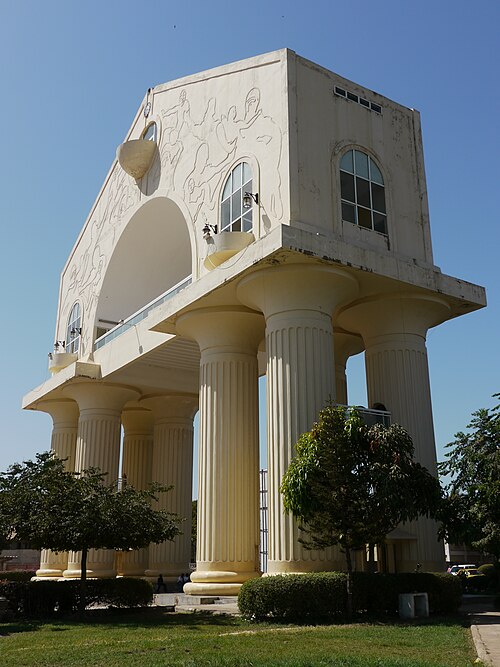
Banjul is the capital city of The Gambia, a small West African country situated along the Atlantic coast. Established in 1816 as a British settlement, Banjul is located on St. Mary’s Island at the mouth of the Gambia River. The city has a population of approximately 31,000 residents and serves as the political, economic, and administrative center of the country. Its strategic position along the river has historically made it a vital port for trade and commerce, enabling access to the interior regions of The Gambia. The city's layout features a grid pattern, influenced by colonial design, with wide streets and a mix of colonial and modern architecture, reflecting its historical heritage.
Banjul hosts several key institutions, including government offices, the main markets, and various educational establishments. Key attractions in Banjul include the Arch 22, an impressive monument commemorating Gambia’s independence in 1994, and the National Museum of The Gambia, which showcases the country's rich cultural heritage and history. The city also features beautiful beaches along the Atlantic coast and is known for vibrant local markets such as Albert Market, where visitors can find handicrafts, textiles, and an array of fresh produce. Despite its modest size, Banjul plays an essential role in the country's economy, relying on agriculture, fishing, and tourism, and it connects the urban populace with the surrounding regions through Riverside transport and ferry services across the Gambia River. Overall, Banjul embodies a unique blend of historical significance and modern urban life, making it a focal point for both locals and tourists in The Gambia.
Facts about Banjul
- Banjul, the capital city of The Gambia, was originally established as Bathurst in 1816, making it one of the oldest cities in the country.
- The city is located on an island at the mouth of the Gambia River, distinguishing it from other towns that are situated on the mainland.
- Banjul is home to the National Museum of The Gambia, which showcases the country's cultural heritage and history, a rare feature compared to many other towns in The Gambia.
- The city features the Arch 22, a prominent archway that commemorates the bloodless coup of 1994, marking a significant historical event in Gambian politics.
- Banjul is known for its vibrant seafood market, where local fishermen sell their daily catch, reflecting the city's strong connection to the fishing industry.
- The city hosts several government institutions, including the Gambian Parliament, making it the political center of the country.
- Banjul's Annual International Roots Festival celebrates the cultural ties between The Gambia and the African diaspora, drawing visitors from around the world.
- Unlike many other towns in The Gambia, Banjul has a more diverse population, contributing to a blend of cultural traditions and languages.
- Banjul's beachfront, notably at Cape Point, offers some of the best views and recreational areas in the country, attracting both locals and tourists.
- The city is a key port for The Gambia, playing a vital role in the country's trade and commerce, which is not as pronounced in other towns.