Banská Bystrica, Slovakia
- 75,317 people
- 16 places to visit
- 48.7363, 19.1462
Places to Visit (16)
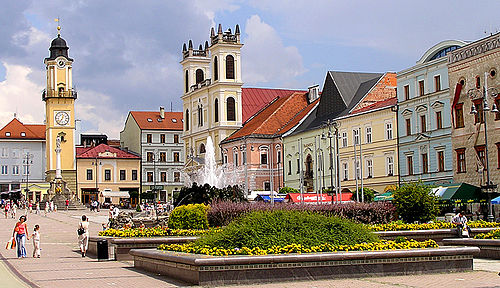
Banská Bystrica is a central Slovak city renowned for its rich history, cultural heritage, and significance in the mining industry. Situated in the valley of the Hron River, it is surrounded by the picturesque mountains of the Low Tatras and the Great Fatra, making it a hub for both industry and tourism. The city boasts a population of approximately 79,000 residents, making it one of the larger cities in Slovakia. Historically, Banská Bystrica flourished during the Middle Ages due to its silver and copper mines, leading to its designation as one of the key centers of mining in Hungary. The city played a vital role during the Slovak National Uprising in 1944, which aimed to resist Nazi occupation. This historical backdrop contributes to the city’s significance in Slovak history.
Banská Bystrica features a blend of architectural styles, reflecting its historical development. The city center, marked by the Main Square (Námestie SNP), is home to several notable landmarks, including the iconic Church of St. Francis of Assisi, the Gothic-style Cathedral of St. Martin, and the impressive Banská Bystrica Castle. The central square often hosts cultural events, markets, and festivals, celebrating the city's vibrant community life. Moreover, Banská Bystrica is an educational hub, housing the Matej Bel University, which offers a range of programs attracting students from across the region. The city also prioritizes green spaces, with parks and recreational areas making it a desirable location for both residents and visitors. With its historical significance, cultural richness, and stunning natural surroundings, Banská Bystrica stands as a unique and important city in Slovakia.
Facts about Banská Bystrica
- Banská Bystrica was a significant center for copper mining in the Middle Ages, which contributed to its wealth and development.
- The city is home to the Slovak National Uprising Museum, which commemorates the 1944 uprising against Nazi occupation, making it a key historical site in Slovakia.
- Banská Bystrica features a unique blend of Renaissance, Baroque, and Gothic architecture, with notable landmarks such as the Church of St. Francis of Assisi.
- The city served as the temporary capital of Slovakia during World War II, reflecting its strategic importance in the region.
- Banská Bystrica is known for its vibrant cultural scene, hosting events like the Banská Bystrica Music Festival that celebrates local and international talent.
- The city is situated in a picturesque valley in the Low Tatras region, offering access to outdoor activities such as hiking and skiing.
- Banská Bystrica is the administrative center of the Banská Bystrica Region, which is known for its rich natural resources and historical relevance.
- The historic center of Banská Bystrica is a UNESCO World Heritage Site, recognized for its well-preserved medieval architecture.
- Banská Bystrica has a rich tradition in folk art and crafts, particularly in wood carving and pottery, distinguishing it from other Slovak cities.
- The city is known for its educational institutions, including the UMB (Matej Bel University), which contributes to its youthful and vibrant atmosphere.