Baoshan, China
- 935,618 people
- 46.5747, 131.3932
No places available for this city.
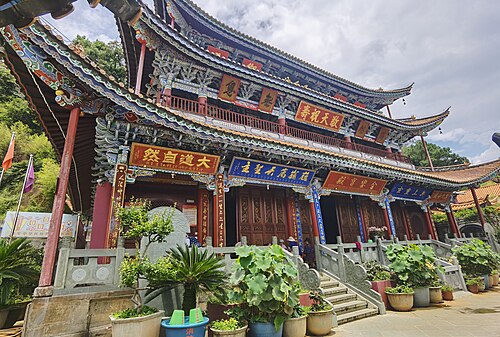
Baoshan is a notable city located in the Yunnan province of southwestern China, positioned at the convergence of the Jinsha River and the Nu River. Established in 1993 as a prefecture-level city, Baoshan sits at an elevation of approximately 1,600 meters above sea level, providing it with a unique natural landscape characterized by mountains and rivers. The city is a critical transportation hub, connecting various regions via extensive road networks and is near important railway lines, enhancing its status as a center for commerce and trade in the region.
The economy of Baoshan is diverse, with agriculture, mining, and tourism playing significant roles. The region is famous for its agricultural products, particularly its tea, which has gained recognition nationally and internationally. Furthermore, Baoshan is rich in mineral resources, including lead, zinc, and tin, which contribute to its industrial development and economic growth. Tourism is also on the rise, owing to Baoshan's rich cultural heritage, including various ethnic groups such as the Bai, Yi, and Hani, and its proximity to natural attractions like the Nujiang River and the scenic Gaoligong Mountain. The city has initiated various projects to promote tourism, aiming to highlight its unique cultural identity and breathtaking landscapes.
Baoshan's culture is a blend of traditional and modern influences, with numerous festivals and events showcasing its ethnic diversity. The city celebrates various local customs, including the Torch Festival and the Baoshan Ethnic Arts Festival, which attract visitors and strengthen community bonds. Additionally, Baoshan's strategic location makes it an important gateway for trade and cultural exchange with neighboring countries like Myanmar, enhancing its importance in regional dynamics. As Baoshan continues to grow, it strives to balance economic development with cultural preservation and environmental sustainability, reflecting the broader trends seen across China's rapidly evolving urban landscapes.
Facts about Baoshan
- Baoshan is known for its rich mineral resources, particularly in tin and tungsten, which significantly contribute to its local economy.
- The Baoshan Stone Forest, a unique geographical formation, showcases stunning karst landscapes and is listed as a national geological park, attracting nature enthusiasts.
- Baoshan is home to the ancient city of Zhacai, which dates back to the Tang Dynasty and is famous for its well-preserved historical architecture.
- The city has a diverse cultural heritage, influenced by various ethnic groups, including the Dai, Naxi, and Tibetans, which reflects in its festivals and traditional practices.
- Baoshan serves as a key gateway to the scenic Shangri-La region, contributing to its importance in tourism and cultural exchange.
- The Baoshan Fortress, built during the Ming Dynasty, stands as a testament to the city's historical significance as a military stronghold against invasions.
- Baoshan is recognized for its vibrant tea culture, particularly for producing high-quality Pu'er tea, which is highly valued both domestically and internationally.
- The annual Baoshan International Mountain Bike Race attracts athletes from around the world, promoting the city as a sports tourism destination.
- The city has invested in sustainable development initiatives to protect its natural environment, making it a leader in eco-tourism within Yunnan Province.
- Baoshan's unique blend of modern development and historical preservation makes it a fascinating place to explore for both tourists and researchers alike.