Baotou, China
- 2,150,000 people
- 11 places to visit
- 40.6578, 109.8402
Places to Visit (11)
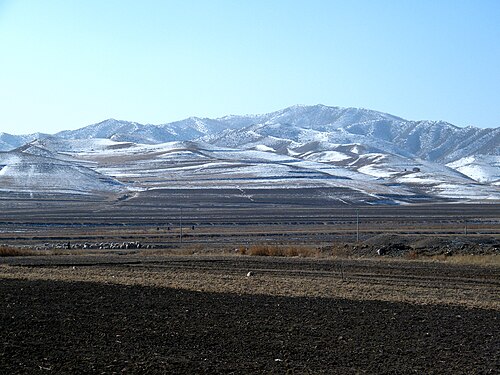
Baotou, located in Inner Mongolia, China, is a significant industrial city known for its rich mineral resources and robust economic development. Established in the mid-20th century, Baotou has grown into one of the largest cities in Inner Mongolia, with a population of over 2.5 million people. Its strategic position along the Yellow River and proximity to the Ordos Desert facilitate transportation and resource extraction, making it a vital hub for industry in northern China. The city's economy is primarily driven by its mining sector, particularly of rare earth elements, coal, and iron. Baotou is regarded as the world's largest producer of rare earth metals, crucial for advanced technologies such as electronics, renewable energy solutions, and military applications.
The city's industrial landscape is complemented by its infrastructure, which supports a diverse range of activities from heavy industry to manufacturing. Baotou is home to several large state-owned enterprises, including Baotou Steel, which ranks among the largest steel producers in China. In addition to steel and rare earth production, the city has developed sectors in energy production, machinery, and chemicals. The local government has been focusing on sustainable growth, emphasizing environmental protection and the development of high-tech industries, which aligns with national policies aimed at reducing pollution and transitioning to greener energy sources.
Baotou also has cultural significance and offers insights into the rich Mongolian heritage of the region. Attractions such as the Baotou Museum, featuring exhibits on both Mongolian culture and the region's natural history, reflect the city's diverse heritage. The city serves as a gateway to regional tourism, with nearby sites like the Genghis Khan Statue and the scenic landscapes of the Kubuqi Desert attracting visitors. As Baotou continues to evolve, it strives to balance economic growth with cultural preservation and environmental sustainability, positioning itself as a dynamic city with a forward-looking vision.
Facts about Baotou
- Baotou is known as the 'Steel City' of China due to its extensive steel production and manufacturing industry, making it a key player in the nation's economy.
- It is home to one of the largest rare earth element production facilities in the world, which plays a vital role in the global supply of these critical materials.
- Baotou is situated at the edge of the Gobi Desert, offering a unique landscape that combines desert and grassland, which is distinct from many other Chinese cities.
- The city is known for its significant Mongolian population and culture, being part of Inner Mongolia, which influences its local customs, cuisine and festivals.
- Baotou has a rich history dating back over 2,000 years, during which it has served as an important trading post along the ancient Silk Road.
- The Baotou-Guangzhou Railway, one of the major railways in China, begins in Baotou, enhancing its connectivity to various other regions.
- Baotou hosts the Baotou Rare Earth High-tech Industrial Development Zone, an area dedicated to research and development in rare earth technologies.
- The city is famous for the Baotou Zhiyuan Museum, which showcases the history and development of rare earth elements, educating visitors about their significance.
- Baotou is also known for its picturesque scenery, particularly the Genghis Khan Statue, one of the largest equestrian statues in the world, which celebrates the legacy of the Mongolian leader.
- In recent years, Baotou has implemented ecological initiatives to combat pollution and promote sustainable development, distinguishing it from other industrial cities in China.