Barakaldo, Spain
- 98,460 people
- 15 places to visit
- 43.297, -2.9851
Places to Visit (15)
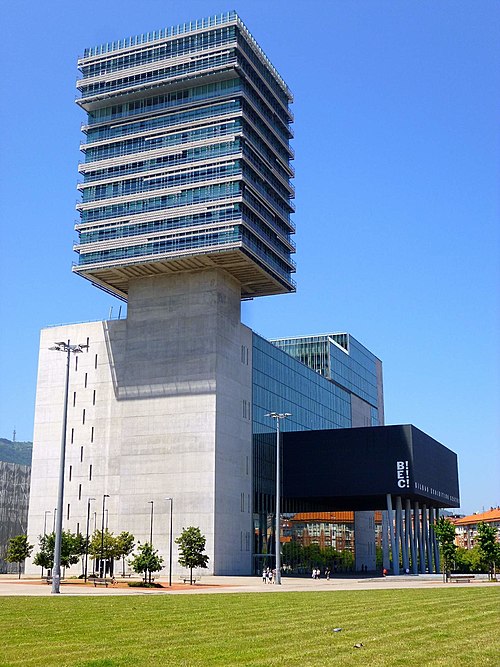
Barakaldo is a vibrant municipality located in the Basque Country in northern Spain, specifically within the province of Biscay. Situated along the estuary of the Nervión River, Barakaldo is part of the Greater Bilbao metropolitan area and lies approximately 11 kilometers northwest of the city of Bilbao. The town has a rich industrial history, primarily centered around iron and steel production during the 19th and 20th centuries, which played a crucial role in the region's economic development. As a result, it evolved from a small settlement into a significant industrial hub, contributing to the urbanization and modernization of the area.
In recent decades, Barakaldo has undergone significant transformation, shifting from its industrial roots towards a more diversified economic structure that includes commerce, services, and leisure. The local economy is supported by various industries, with a focus on modern sectors such as technology and logistics. The city is home to several shopping centers, including the Max Center, one of the largest in the Basque Country, which attracts visitors not only from Barakaldo but also from surrounding regions. Despite its industrial past, Barakaldo offers a blend of cultural and recreational activities, with several parks, theaters, and sports facilities that cater to residents and visitors alike.
Barakaldo is well-connected to Bilbao and other neighboring municipalities through an efficient public transport system, including metro lines and bus services, making it an integral part of the metropolitan area. The city also prioritizes sustainability, with initiatives aimed at promoting green spaces and improving urban mobility. Barakaldo is not just an industrial city; it also showcases a rich cultural heritage, with festivals, local gastronomy, and architectural highlights, including the iconic San Vicente Mártir Church and the modern “Elcano” bridge, which reflects the city's evolution over the years. As it stands today, Barakaldo represents a dynamic blend of history, modernity, and community spirit.
Facts about Barakaldo
- Barakaldo is known for its unique industrial heritage, once being a hub for shipbuilding and heavy industry in the Basque Country.
- The city's largest landmark, the Bilbao Exhibition Centre (BEC), is one of the most important convention and exhibition centers in Spain, hosting a variety of events throughout the year.
- Barakaldo is home to the Parque de los Hermanos Domecq, which features a historical water reservoir turned into a public park, showcasing the integration of nature and urban development.
- Unlike many other Spanish cities, Barakaldo's economy has successfully transitioned from traditional heavy industry to a more diversified economy that includes services and technology.
- The town's annual festival, the 'Festas de Santa Teresa,' celebrates its patron saint with unique Basque cultural activities, including traditional music and dance, setting it apart from typical Spanish fiestas.
- Barakaldo features the iconic 'Rontegi Bridge,' a notable piece of modern architecture that connects different parts of the city and symbolizes its growth and modernization.
- The town has a unique geographical feature known as the 'Barakaldo Valley,' formed by the meandering of the Nervión River, providing scenic landscapes that are distinct from other urban areas.
- Barakaldo has a unique relationship with the nearby city of Bilbao, serving as a municipality that contributes to the Greater Bilbao metropolitan area, while maintaining its own identity and cultural practices.
- The city has invested significantly in public transport, including a modern metro system, making it one of the best-connected municipalities in the Basque Country compared to other cities.
- Barakaldo is recognized for its commitment to sustainability and green spaces, evidenced by numerous eco-friendly initiatives and parks that enhance urban living for its residents.