Barcelona, Venezuela
- 815,141 people
- 3 places to visit
- 10.1446, -64.6777
Places to Visit (3)
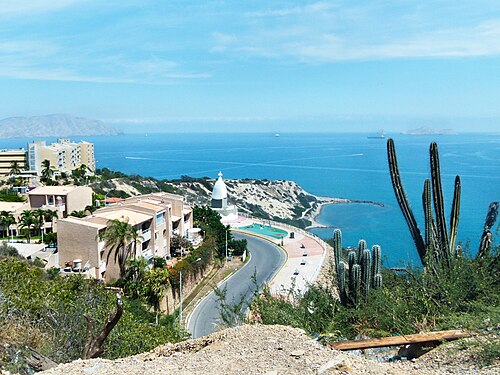
Barcelona is a vibrant city located in the northeastern region of Venezuela, serving as the capital of Anzoátegui State. Positioned along the shores of the Caribbean Sea, Barcelona is part of a larger urban area that includes the neighboring city of Puerto la Cruz. The city is known for its strategic significance due to its proximity to important oil reserves, a critical component of Venezuela’s economy. With a population of approximately 400,000 residents, Barcelona combines a rich cultural heritage with economic activity, primarily driven by the oil industry, commerce, and trade.
Founded in 1764, Barcelona possesses a mix of colonial architecture and modern infrastructure. The city features several notable landmarks, including the Basilica de Santa Teresa, an architectural highlight reflecting the colonial history of the area. Additionally, the city's scenic coastal areas, such as Playa Los Canales and Playa Grand Mariscal, attract both local residents and tourists alike. Barcelona is well-connected by road to other cities and towns, enhancing its role as a commercial hub within the region. The city's vibrant festivals, culinary scene, and cultural institutions contribute to its dynamic atmosphere, making it an important center for arts and recreation in Venezuela.
Despite its cultural richness, Barcelona faces challenges associated with the broader socio-economic issues in Venezuela, including inflation, shortages of basic goods, and infrastructural difficulties. Nevertheless, the resilience of its residents and their commitment to preserving the city's cultural identity continue to shape Barcelona's landscape. Sports, especially baseball, play a significant role in the local culture, with many residents passionately supporting local teams and players. As the city adapts to ongoing changes, it strives to maintain its historical significance while pursuing development opportunities for the future.
Facts about Barcelona
- Barcelona is the capital of Anzoátegui State and is known for being one of the most important industrial and commercial cities in Venezuela.
- The city was founded in 1764, making it one of the older settlements in Venezuela, with a rich historical background linked to Spanish colonization.
- Barcelona is located near the Caribbean coast, offering access to beautiful beaches and serving as a gateway to tourism in the region, distinguishing it from more inland cities.
- The city is famous for its vibrant culture, hosting various festivals and events such as the Feria de la Virgen del Valle, which draws visitors and showcases local traditions.
- Barcelona is home to the iconic Church of Santa Ana, a historical landmark with unique architectural features, setting it apart from other churches in the country.
- The city boasts a thriving economy, with major oil and petrochemical industries, making it a key player in Venezuela's overall economic landscape.
- Barcelona features a blend of modern and colonial architecture, particularly evident in its city center, which contrasts with many other Venezuelan cities that may have more uniform styles.
- The Ciudad Alianza area, part of Barcelona, is known for its planned urban development and distinct residential design, marking a clear difference from older, less structured urban areas.
- Barcelona is known for its educational institutions and universities, including the Universidad de Oriente, contributing significantly to higher education in Venezuela.
- The city's proximity to major natural attractions, such as the Parque Nacional Mochima, enhances its appeal for eco-tourism compared to other cities that may not have such nearby natural resources.