Bari, Italy
- 316,491 people
- 9 places to visit
- 41.1171, 16.8719
Places to Visit (9)
Bari, the capital of the Apulia region in southeastern Italy, is a vibrant city known for its rich history, cultural heritage, and significant maritime activities. With a population of approximately 320,000, Bari is one of the largest cities in southern Italy and serves as an important economic and administrative center. The city's historical roots date back to ancient times, with the founding of the Roman colony "Barium" in the 3rd century BC. Over the centuries, Bari has experienced various influences, from the Byzantine Empire to the Normans, and has positioned itself as a crucial point for trade and navigation in the Adriatic Sea.
Bari's Old Town, or "Bari Vecchia," is a labyrinth of narrow, winding streets, characterized by its whitewashed buildings, charming squares, and historic landmarks. One of the city's most notable sites is the Basilica di San Nicola, a revered pilgrimage destination housing the relics of St. Nicholas, whose legend inspired the figure of Santa Claus. Another prominent attraction is the Swabian Castle, built by the Norman King Roger II in the 12th century, which stands as a testament to the city's medieval past. Bari is also celebrated for its culinary prowess, particularly its fresh seafood, handmade pasta, and traditional dishes like orecchiette, a type of small pasta often served with broccoli rabe or tomato sauce.
The city's economy is multifaceted, built on commerce, tourism, shipping, and agriculture. Bari's port, one of the busiest in Italy, not only facilitates trade but also connects the region to various destinations across the Adriatic and Mediterranean. The city is an emerging hub for technology and innovation, with several universities and research institutions contributing to its development. Cultural events, including the annual Bari International Film Festival, showcase the city's artistic flair and attract visitors from around the world. With its blend of history, culture, and modernity, Bari embodies the spirit of southern Italy and continues to be a destination that captivates locals and tourists alike.
Facts about Bari
- Bari is home to the Basilica di San Nicola, which houses the relics of Saint Nicholas, a major pilgrimage site for both Catholics and Orthodox Christians.
- The city has a unique blend of medieval architecture and modern urban life, featuring a historic old town known as Bari Vecchia with narrow winding streets.
- Bari is recognized for its traditional orecchiette pasta, a local specialty that is often handmade and served with various sauces.
- The city's port, one of the largest in Italy, has historically been a key point for maritime commerce and serves as a gateway to Greece and other Mediterranean nations.
- Bari hosts the Fiera del Levante, one of the most important trade fairs in the Mediterranean, which promotes economic and cultural exchanges.
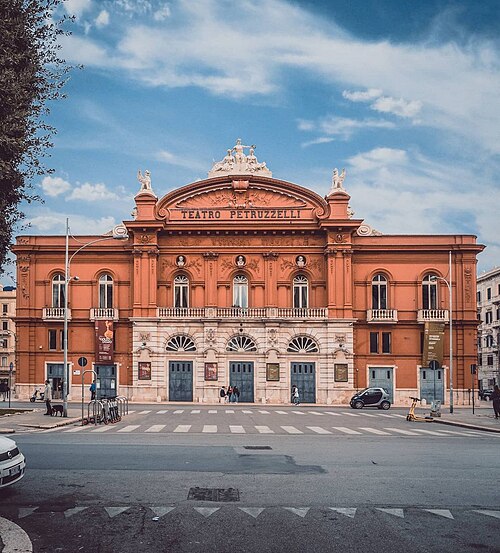
- The Petruzzelli Theatre in Bari is one of the largest theaters in Italy and is renowned for its elaborate design and acoustics, hosting various opera and ballet performances.
- Bari has a unique local dialect known as Barese, which reflects its rich cultural history and influences from various civilizations.
- The city features the Swabian Castle (Castello Normanno-Svevo), a fortress that dates back to the 12th century and has served as a royal residence and a military stronghold.
- Bari is known for its lively street markets and local crafts, particularly the vibrant fish market in the historic center, showcasing the city's rich culinary tradition.
- The coastal promenade, Lungomare, is one of the longest in Italy, offering stunning views of the Adriatic Sea and serving as a popular gathering place for locals and tourists.