Barinas, Venezuela
- 397,279 people
- 15 places to visit
- 8.6231, -70.2371
Places to Visit (15)
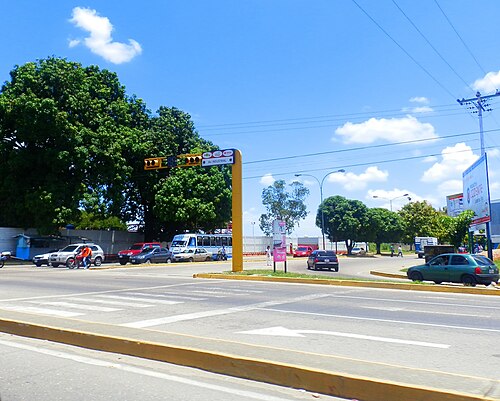
Barinas is a city located in the western part of Venezuela and serves as the capital of the Barinas State. Situated in the extensive plains known as Los Llanos, it is approximately 400 kilometers southwest of the capital city, Caracas. With a population of around 200,000, Barinas plays an essential role in the regional economy, primarily based on agriculture and livestock. The city's geographic position near the Portuguesa and Barinas Rivers provides fertile land, making it an ideal location for the cultivation of various crops, including corn, rice, and sugarcane. The local economy is further supported by cattle ranching, which is a significant aspect of the culture and traditions of the residents.
Barinas is known for its historical significance and vibrant cultural scene. The city was founded in 1577 by the Spanish conquistador Juan de los Reyes Vargas, and it has retained its colonial charm, with several architectural landmarks reflecting its rich history. The Basilica of Nuestra Señora del Socorro, a prominent church in the city, showcases Barinas's religious heritage. Additionally, the city hosts various festivals and cultural events throughout the year that feature traditional music, dance, and gastronomy, celebrating its diverse heritage. The surrounding natural environment, characterized by savannas and rivers, also offers recreational opportunities for residents and visitors alike, including fishing and wildlife observation. Despite facing challenges such as economic instability and political unrest, Barinas continues to maintain its identity as a vital center of culture and agriculture in Venezuela.
Facts about Barinas
- Barinas is known as the birthplace of Venezuelan independence hero Simón Bolívar, who played a pivotal role in the country's struggle for independence from Spain.
- The city is located in the Llanos region, characterized by its vast plains and rich biodiversity, making it distinct from Venezuela's mountainous regions.
- Barinas hosts the renowned Barinas International Festival, an event that celebrates local culture through music, dance, and art, highlighting the region's unique traditions.
- The Barinas River runs through the city, providing vital irrigation and contributing to the local agricultural economy, particularly in cattle ranching and rice production.
- Barinas is the capital of the Barinas state, which has a significant history in Venezuelan politics, being the birthplace of several notable political figures beyond Bolívar.
- The city features the historic Church of Santa Sofía, built in the 18th century, which showcases colonial architecture and serves as a central place of worship.
- Barinas is strategically important due to its proximity to oil-producing regions, making it a hub for the Venezuelan oil industry.
- In Barinas, the annual Feria de la Virgen de las Mercedes is celebrated, drawing visitors for its religious processions, music, and traditional food, unique to the region.
- The city is known for its local cuisine, which includes dishes like 'pabellón criollo,' a national dish featuring rice, black beans, plantains, and shredded beef, but served with a regional twist.
- Barinas has been a significant location for political mobilization and protests, particularly in recent years, marking it as a center for social activism in Venezuela.