Barnaul, Russian Federation
- 632,372 people
- 4 places to visit
- 53.3497, 83.7836
Places to Visit (4)
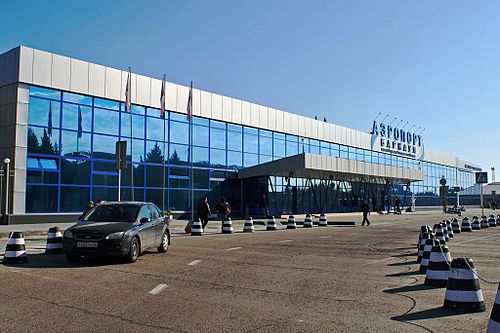
Barnaul is a city located in southwestern Siberia, Russia, and serves as the administrative center of Altai Krai. Positioned at the confluence of the Ob and Barnaulka rivers, it lies approximately 200 kilometers from the border with Kazakhstan. Barnaul is known for its rich history, having been founded in 1730 as a center for silver mining, which contributed significantly to its early economic development. The city was officially granted the status of a town in 1771, and it has since evolved into a prominent industrial and cultural hub within the region.
Today, Barnaul boasts a diverse economy, with significant sectors including machinery, metalworking, textiles, and food processing. The city is home to various educational institutions, including the Altai State Technical University and the Altai State University, which contribute to the city's youthful demographic and vibrant academic environment. Architecturally, Barnaul features a blend of historical and modern buildings, with notable structures such as the Holy Trinity Cathedral and various neoclassical edifices reflecting the city’s rich cultural heritage. The city's arts scene is also flourishing, with numerous theaters, museums, and galleries showcasing local talent.
Barnaul is characterized by its distinct continental climate, with cold winters and warm summers, making it an appealing destination for those who appreciate outdoor activities. Surrounded by scenic landscapes, including the Altai Mountains to the south, the city serves as a gateway for outdoor enthusiasts looking to explore nature, engage in hiking, skiing, and fishing. Additionally, Barnaul hosts a variety of festivals and cultural events throughout the year, celebrating its unique traditions and fostering community spirit. As the economic and cultural heart of Altai Krai, Barnaul continues to play a significant role in the development of southwestern Siberia.
Facts about Barnaul
- Barnaul is the administrative center of Altai Krai and lies at the confluence of the Barnaulka River and the Ob River.
- The city was founded in 1730 as a mining center and played a significant role in the Russian silver mining industry.
- Barnaul is known for its unique wooden architecture, with many preserved buildings from the 18th and 19th centuries, which are rare in Russia.
- The city hosts the Altai State University, one of the leading educational institutions in Siberia, established in 1973.
- Barnaul is famous for its annual Altai International Film Festival, which showcases films from local and international filmmakers.
- The city has a large historical center with the 'Barnaul Historical Museum' that highlights the rich cultural and historical heritage of the region.
- Barnaul is also known for the Barnaul Mountain, located just outside the city, which offers recreational opportunities and panoramic views.
- In 2019, the city celebrated its 289th anniversary, marking its long history and development over the centuries.
- Barnaul is home to the Altai Regional Drama Theater, one of the oldest theaters in Siberia, which contributes significantly to the cultural life of the region.
- The city is a center for agricultural and industrial development in Siberia, contributing to the economy of the Russian Federation through various sectors.