Barreiro, Portugal
- 51,280 people
- 16 places to visit
- 38.6608, -9.0791
Places to Visit (16)
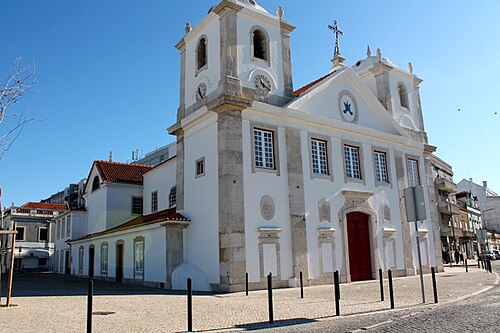
Barreiro is a vibrant city located on the southern bank of the Tagus River in Portugal, within the Lisbon Metropolitan Area. It is part of the Setúbal District and serves as a significant industrial and commercial hub, historically known for its shipbuilding and ceramic industries. The city has a rich maritime history, influenced by its proximity to the river, which played a crucial role in its development from a small fishing village to an urban center. Barreiro's strategic location also fosters economic activity, making it a critical point for transportation links, including ferries and rail services connecting it to Lisbon and other parts of the region.
The urban landscape of Barreiro features a mix of traditional and modern architecture, reflecting its historical roots and contemporary growth. The city's vibrant community life is complemented by cultural events and festivals, which celebrate various aspects of local traditions and the arts. Notable landmarks include the historic waterfront, which provides picturesque views of the Lisbon skyline, and several parks and public spaces that encourage outdoor activities. Moreover, Barreiro’s climate, characterized by mild winters and warm summers, enhances its appeal as a living space. As the city continues to evolve, it attracts residents and visitors alike with its unique blend of heritage and modernity, making Barreiro a notable destination in Portugal.
Facts about Barreiro
- Barreiro is located on the south bank of the Tagus River, directly opposite Lisbon, and has a strategic position for transport and trade.
- Historically, Barreiro was an important industrial hub, particularly in the 19th and early 20th centuries, known for its shipbuilding and cement industries.
- The city is home to the Museu da Cidade de Barreiro, which showcases the local history and industrial heritage, distinguishing it from many other museums in Portugal.
- Barreiro has a unique architectural feature known as the 'Edificação de Barreiro', a series of eclectic buildings representing various architectural styles, many dating back to the industrial era.
- Barreiro hosts an annual music festival called 'Festa do Barreiro', which attracts local and national artists, promoting the region's vibrant arts scene.
- The city's waterfront area features a pleasant riverside promenade and parks, offering an attractive leisure space that is relatively less common in many other Portuguese towns.
- Barreiro is known for the 'Caminho de Ferro' railway bridge, an important link to Lisbon that offers stunning views of the Tagus River.
- The community is culturally diverse, influenced by immigrants, particularly from Africa and Eastern Europe, contributing to its rich social tapestry.
- Barreiro has a successful local football club, CF Os Belenenses de Barreiro, which fosters regional pride and community support.
- Unlike many other Portuguese cities, Barreiro has maintained its industrial character while also embracing modern development, leading to a unique blend of the old and new.