Bartoszyce, Poland
- 23,482 people
- 5 places to visit
- 54.2533, 20.8081
Places to Visit (5)
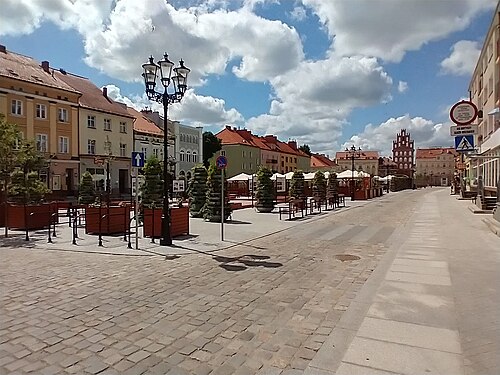
Bartoszyce is a town located in the Warmian-Masurian Voivodeship in northeastern Poland, near the borders of Russia and Lithuania. As of 2021, it had a population of approximately 5,000 residents. Established in the 14th century, Bartoszyce is historically significant, evidenced by its architecture and urban layout, which reflect the town's rich history. Originally known as Bartoszyce in Polish and Bartenstein in German, the town was founded by the Teutonic Knights in 1357 and has undergone various transitions due to shifting political landscapes over the centuries. The strategic location of Bartoszyce made it an important military and trade center, particularly during the Prussian and Soviet eras.
Architecturally, Bartoszyce boasts a mix of Gothic and Renaissance styles, with the most notable structure being St. John's Church, built in the 14th century. The town's historical heritage is preserved in its Old Town, featuring cobblestone streets and remnants of fortifications that date back to the Middle Ages. The local economy has traditionally relied on agriculture, but the proximity to the border encourages cross-border trade and tourism. Additionally, Bartoszyce is surrounded by beautiful natural landscapes, including forests and lakes, which attract both visitors and locals. The town hosts various cultural events that celebrate its unique history, and it serves as a gateway for exploring the natural beauty of the surrounding Masurian countryside. Overall, Bartoszyce is a town that reflects Poland's rich historical tapestry and its evolving identity in the context of modern Europe.
Facts about Bartoszyce
- Bartoszyce is one of the few towns in Poland that has preserved elements of its medieval fortifications, including remnants of the town's walls and the Gothic-style Church of St. John the Baptist.
- The town was known historically as Bartenstein and has roots dating back to the Teutonic Knights, who established a castle here in the 14th century.
- Bartoszyce is located just a few kilometers from the border with Russia, making it a significant location for trade and cultural exchange between the two countries.
- The 19th-century Bartoszyce railroad station, a historical building, played a vital role in connecting the town with other parts of East Prussia and is an example of the region's architectural heritage.
- Bartoszyce hosts an annual event called the Bartoszyce Cultural Meetings, showcasing local traditions, music, and arts, which brings together residents and visitors alike.
- The town is characterized by its diverse architectural styles, with influences from Gothic, Renaissance, and Baroque periods evident in its buildings.
- Bartoszyce was once part of the Free City of Danzig (Gdańsk) during the 1920s, reflecting its unique historical ties and cultural influences.
- The region surrounding Bartoszyce is rich in natural beauty, including the picturesque Warmian-Masurian Lake District, making it a hidden gem for nature lovers.
- Bartoszyce is often recognized for its vibrant local cuisine, particularly dishes that feature regional fish, mushrooms, and berries, reflecting the area's agricultural heritage.
- The town has a significant number of monuments and memorials commemorating its history, particularly related to World War II and the post-war period, distinguishing it from many other Polish towns.